
The Native American Rights Fund (NARF) celebrates a historic victory for our clients and Alaska Native communities as the United States Supreme Court announced on January 12, 2026, that it will not review the State of Alaska’s latest challenge to long-standing federal protections for rural subsistence rights. This decision officially ends U.S. v. Alaska, reaffirming the legacy of the landmark Katie John cases and ensuring that Alaska Native peoples can continue to practice their traditional hunting and fishing lifeways.
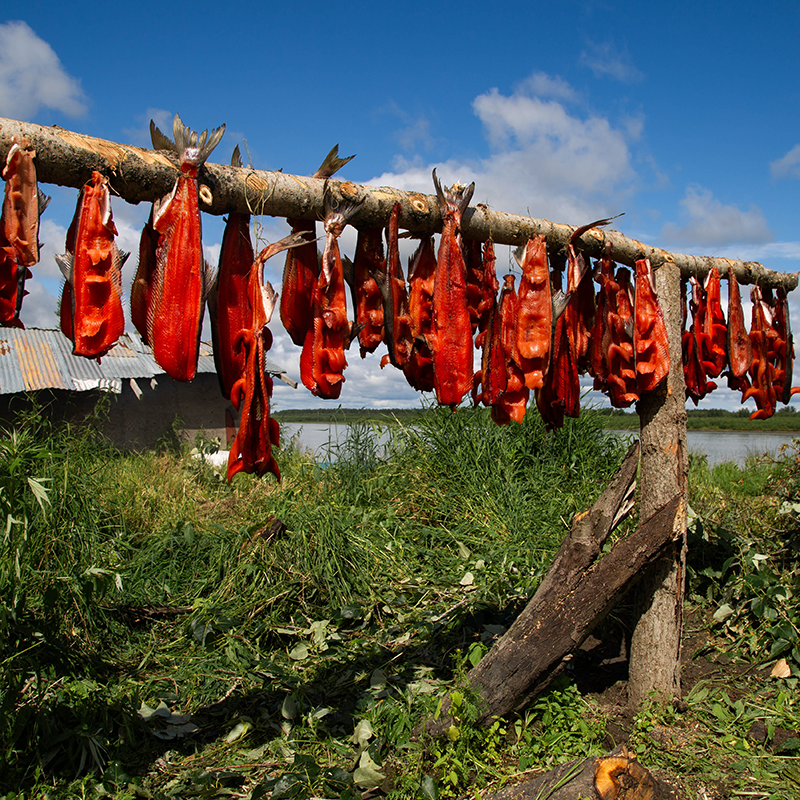
The Supreme Court’s refusal to hear the case means that the lower court ruling stands, preserving federal authority over subsistence management on federal public lands and waters. This outcome marks the end of a costly and prolonged effort by the State of Alaska to undermine rural subsistence protections—efforts that have spanned generations and consumed millions of dollars.
“NARF filed Katie John’s first case in December 1985 and for forty years has worked to protect the subsistence rights that sustain Alaska Native communities and cultures,” said NARF Senior Staff Attorney Erin Dougherty Lynch. “Today’s decision closes the door on decades of litigation aimed at eroding those rights.”
While this is a moment of celebration, NARF remains vigilant. Outside interests and state agencies continue to push for changes that would weaken existing federal subsistence regulations. NARF joins our client the Association of Village Council Presidents in calling on the State of Alaska to abandon these attacks and work collaboratively to uphold the rights guaranteed under federal law.
NARF will continue to defend subsistence rights in every venue where they are challenged. Today, we honor our clients’ determination, Katie John’s enduring legacy, and the strength of Alaska Native communities who have never wavered in their commitment to protect their ways of life.
Learn more about U.S. v. Alaska.
More blog posts