
For decades, Tribal Nations have fought to secure their water rights. In 1908, the U.S. Supreme Court affirmed that Indian Tribes are entitled to enough water to sustain their homelands. Yet, in state after state, non-Indian interests have claimed and developed water resources, often leaving Tribes without the water necessary for survival. Federal inaction and policies favoring non-Tribal development have only deepened these injustices.
The Native American Rights Fund (NARF) is a long-time defender of Tribal water and aquatic-based rights and has stood at the center of seminal water victories such as the Boldt Decision (stemming from the U.S. v. Washington litigation) and representing Tribes in nine of the 35 Tribal water rights settlements approved by Congress since 1978.
With growing populations, shrinking water supplies, and the accelerating effects of climate change, Tribal water rights are more critical than ever. Further, unresolved Tribal water rights create uncertainty for non-Tribal water users and limit a Tribal Nation’s ability to manage and protect its water supplies. The importance of water to Tribal Nations, therefore, has never been more apparent. This is especially true in the Colorado, Klamath, and Columbia River Basins, as well as in the Great Lakes region. Meanwhile, sustainable water management requires recognition, respect, and collaboration with Tribal governments, yet Tribal Nations are underrepresented in management discussions, and federal and state policy proposals consistently ignore Tribal needs.
A Vision for a Tribal Water Institute
In response, in early 2024, NARF launched the Tribal Water Institute (TWI), a first-of-its-kind project designed to increase the capacity of Tribal Nations to engage in water law issues and policy reform. The TWI meets the water priorities of Tribal Nations through four approaches:
- Building capacity by increasing the number of Tribal water lawyers through training early-career attorneys to support Tribal Nations;
- Educating Tribal leadership and the public on water law and policy;
- Developing effective water policy and legal reform in collaboration with Tribal Nations, academic institutions, NGOs, federal and state governments, and other entities; and
- Providing legal representation.
1. Building Capacity
The laws that implicate Tribal water rights are more far-reaching than ever, are quickly evolving, and require a diverse legal skill set to navigate in order to ensure Tribal sovereignty and resource protection. Tribal water rights can significantly affect traditional water rights adjudications and settlements, hydropower relicensing, infrastructure development, Endangered Species Act issues, water quality protection and jurisdiction, and policy reform. Tribal Nations require specialized legal assistance to navigate this complex legal landscape.
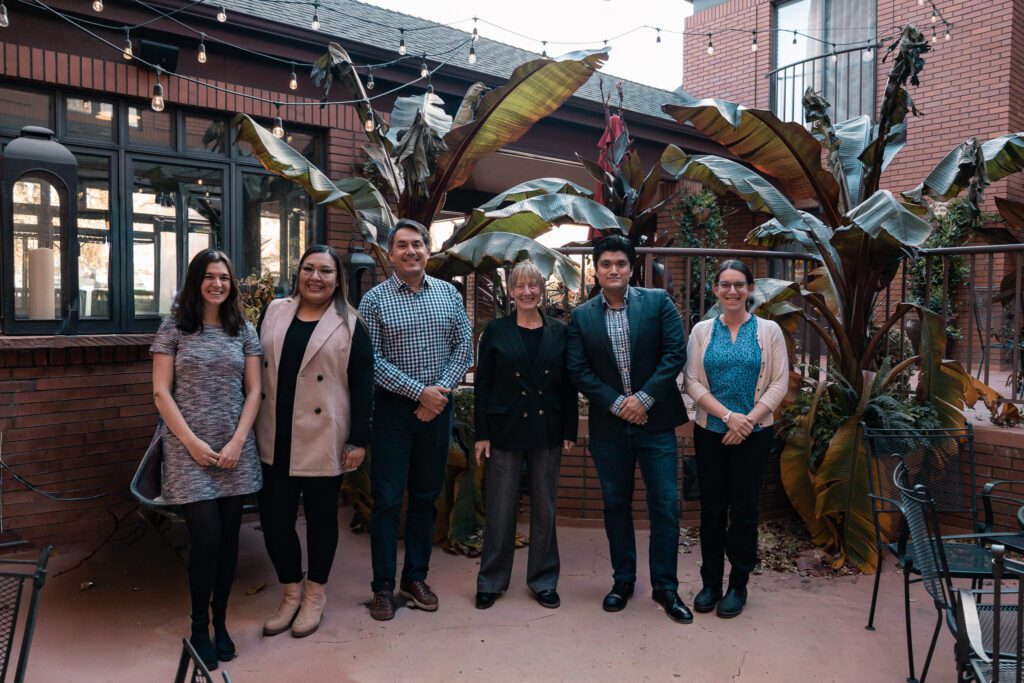
Training attorneys to represent and advocate for Tribal water law solutions is critical to developing Tribal Nations’ legal capacity. An essential part of the TWI is training early-career attorneys in Tribal water law issues. In its first year, the institute hired four legal fellows for two-year fellowships; NARF recently brought on its fifth legal fellow. They support NARF’s water casework and research initiatives while gaining the unique skills needed to serve Indian Country in the future. These fellowships immediately provide additional capacity while seeding the next generation of Tribal water law attorneys. The commitment to training attorneys on Tribal water issues will deliver benefits to Indian Country for decades to come.
2. Educating Tribal Leadership and the Public
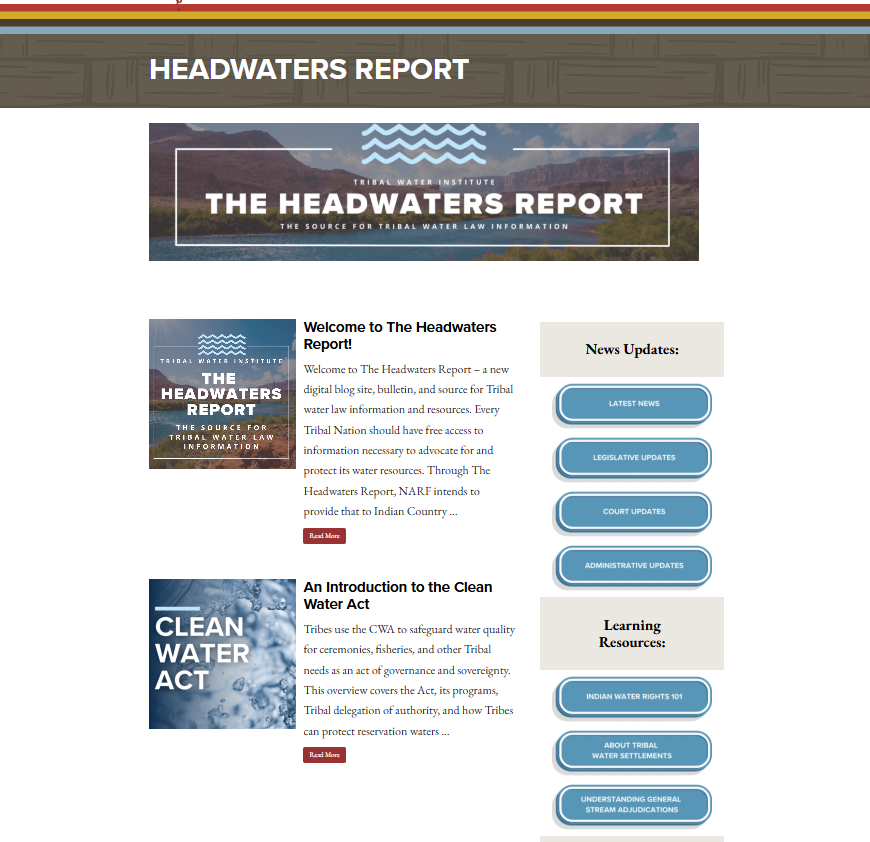
Early in 2025, NARF announced the launch of The Headwaters Report, a periodic online publication detailing water-related legal information and opportunities to better inform Tribal water managers and leadership. It includes water rights information such as case summaries, pending legislation, rulemakings, public comment opportunities, successful settlements, and related commentary. This one-of-a-kind, free online publication provides essential legal and policy insights to advance Tribal water sovereignty, offering Tribes the tools needed to secure and safeguard their water resources.
“We developed The Headwaters Report to help educate Indian Country and water practitioners about Tribal water issues. With this knowledge, Tribal Nations can make informed decisions to protect and assert their water rights,” said NARF Staff Attorney and Tribal Water Institute lead Daniel Cordalis. “Tribal Nations face more water challenges than ever before, and the Report is a tool to help make sense of and meet those challenges.”
3. Developing Water Policy and Reform
As the body of water law grows, so too does the need for ongoing collaboration and advocacy for Tribal rights and water sovereignty. Another TWI goal is to facilitate the broadening and deepening of NARF’s partnerships to support Tribal Nations on water issues.

To that end, TWI:
- Co-hosted a webinar on drinking water infrastructure funding,
- Hosted a water panel discussion at the National Congress of American Indians (NCAI) annual convention,
- Spoke about the Clean Water Act at a Pacific Northwest intertribal conference,
- Helped sponsor a New Mexico-focused seminar on the Clean Water Act and post-Sackett strategies,
- Co-hosted a biennial national symposium to discuss the settlement of Indian water rights claims,
- Continues work with national organizations on Clean Water Act and other broad water issues,
- Hosted a meeting with Tribal water program managers and legal and policy experts to develop a Tribal Clean Water Act strategy, and
- Maintains close conversations with NCAI and other organizations on Tribal water issues.
4. Providing Legal Representation
Since launching the TWI and increasing dedicated staff, NARF has doubled its water casework. The institute has sought opportunities to support Tribal Nations in diverse water-related issues, and casework has grown in many directions while staying true to our mission. We have taken on representation involving the Clean Water Act, hydropower licensing, water rights protection, fishery protection, general stream adjudications, and amicus briefing opportunities.
The Future of Tribal Water Rights
By all measures, the TWI has been extremely successful. Today, it is the most well-staffed, Tribal-focused water law group in the United States.
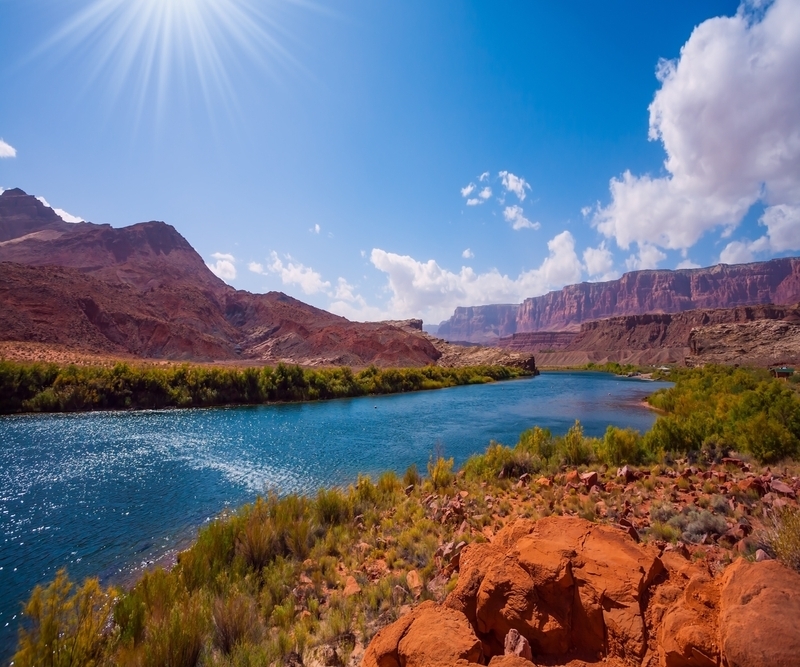
Through this work, NARF has also gained deeper insight into the water needs of Tribal Nations and how best to meet them. Tribal Nations urgently need to assert their water rights and challenge the status quo, especially in situations where they lack adjudicated water rights and regulatory authority. There is also a tremendous opportunity to support Tribes that want to assert jurisdiction over water through water rights determinations, water codes, and water quality standards. This is foundational nation-building work that will strengthen Tribal water governance and enhance the role of Tribal governments in broader watershed governance.
Because there is no organization dedicated to national Tribal water policy and legal development, TWI is a critical NARF asset to convene and assert Tribal water priorities. To meet pressing Tribal needs, TWI and NARF will continue to increase and stabilize not only casework but also educational and policy development efforts to support Tribal Nations’ ability to engage in water issues and assert sovereignty over water resources.
If your Tribal Nation would like to learn more about working with the Tribal Water Institute, we invite you to contact us at water@narf.org.
This article first appeared in the NARF Legal Review, Vo1. 50 No. 2 (2025).
The Tribal Water Institute (click here to download flyer) is made possible in part by the generous support of the Walton Family Foundation.
More Cases