

On September 10, 2026, the U.S. Census Bureau proposed sweeping changes to the 2030 Census, including removing longstanding questions about race and ethnicity and changing whether and where certain people are counted. These changes could have serious consequences for Native communities, yet Tribal Nations were given limited time to respond. The Bureau held a single Tribal consultation on October 2 with just two weeks’ notice—only 11 days before the original public comment deadline. After Tribal governments objected, the Bureau extended the comment deadline to November 2 but offered no additional consultation sessions.
2030 Census resources
TALKING POINTS
The Need to Count American Indians and Alaska Natives
Explore key talking points about what proposed changes to the 2030 Census could mean for Native communities.
READ NARF’S COMMENT
Protecting Native Representation in the Census
NARF’s formal comments explain how removing race and ethnicity questions would undermine efforts to address Native undercounts, and why meaningful Tribal consultation matters.
PDF · Submitted November 2, 2026
On November 2, 2026, the Native American Rights Fund submitted formal comments opposing the proposed rule and urging the Census Bureau not to finalize it. Our comments explain how eliminating race and ethnicity questions would deepen Native undercounts, undermine funding and services for Tribal communities, and impair Tribal self-governance. We also challenge the Bureau’s failure to meaningfully consult with Tribal Nations.
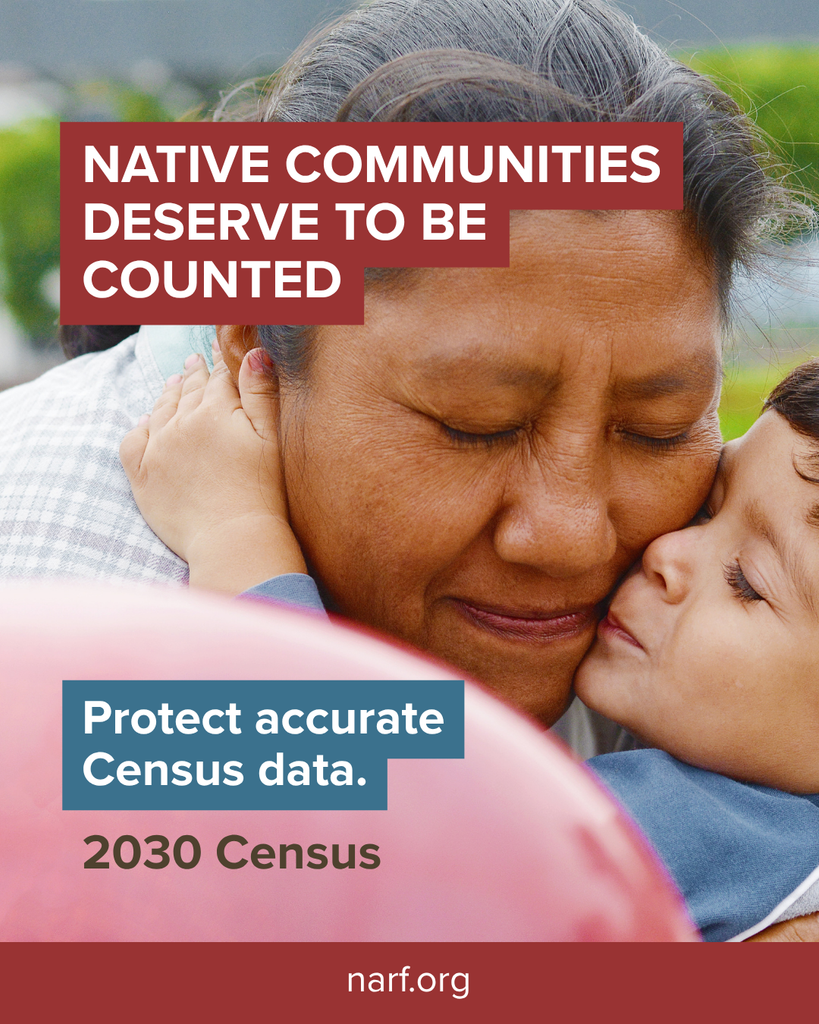
If the proposed changes are carried out, Native people could become statistically invisible.
Census data helps determine political representation, draw electoral districts, enforce civil rights laws, and guide the distribution of federal resources. Without this important information, it would become much harder to identify where Native people live, understand the needs of Native communities, protect Native voting power, enforce civil rights laws, and ensure resources reach the people who need them.
The proposed changes would undermine Tribal sovereignty and self-determination.
Accurate census data is essential for the federal government to fulfill its trust and treaty responsibilities to Tribal Nations. The government needs reliable data about Native populations and communities to allocate resources, administer programs, and ensure it is meeting its obligations.
Tribes also rely on consistent federal demographic data to advocate for resources, document disparities, and make governmental decisions. Removing Native identity from the questionnaire would leave Tribes with less control over how their communities are understood.
Voting-rights enforcement could become much harder.
Census race data is used to draw districts and evaluate whether Native voters have been unlawfully divided or placed in districts where they are outnumbered and their votes carry less weight. Removing it would weaken the evidence available for Voting Rights Act cases, especially following the Supreme Courts’ ruling in in Callais v. Louisiana.
Earlier in 2026, this ruling effectively gutted Section 2 of the Voting Rights Act — the foundational tool for Native voters and other voters of color to protect themselves from racial discrimination when voting, including in redistricting.
Tribes and Native-serving organizations could lose essential planning data.
Census figures help Tribal governments decide where housing, health care, schools, transportation, language services, and emergency resources are needed. Not every Tribal program is funded through a census-based formula, but inaccurate or missing data can make it significantly harder to plan and ensure needs are met.
Native communities could indirectly lose political representation.
The census currently counts everyone who usually lives in a state (citizens and noncitizens alike) when determining how the 435 seats in the U.S. House of Representatives are divided among the states. The proposed changes would instead only count U.S. citizens and lawful permanent residents.
Native citizens would still be counted, but excluding other residents could reduce a state’s official population total, potentially leaving it with fewer representatives in the U.S. House and fewer Electoral College votes.