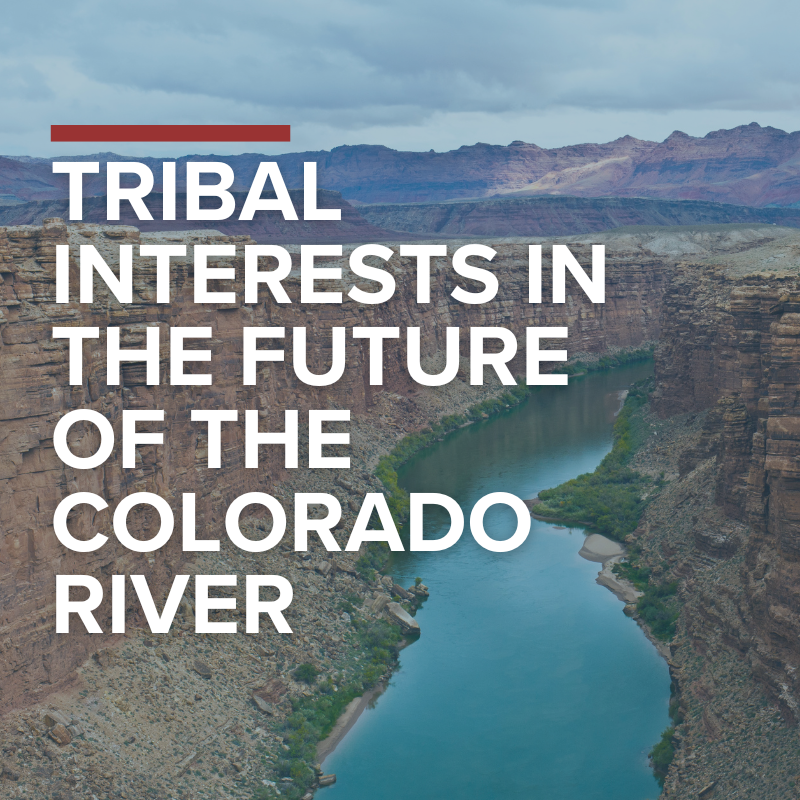

A conversation with Professor Jason Robison of the University of Wyoming College of Law about the Colorado River and Tribal water management within the Colorado River Basin.
Although hydroelectric energy has long been touted as a “clean” energy, hydropower projects have devastated Tribal Nations’ treaty-protected rights and resources—particularly salmon and other endangered fish species runs. This overview provides a starting point for Tribal Nations seeking to engage.
Tribal streams, wetlands, and treaty-protected resources face new uncertainty under a draft WOTUS definition. Join us and NCAI for a Dec. 9 webinar to get the knowledge needed to submit effective, legally sound comments before the Jan 5. deadline.
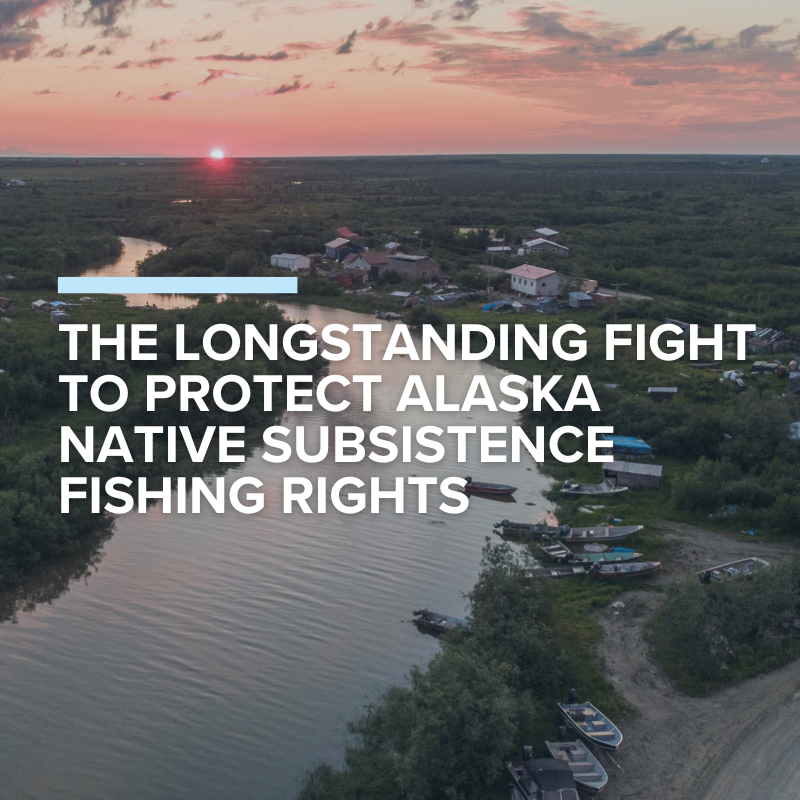
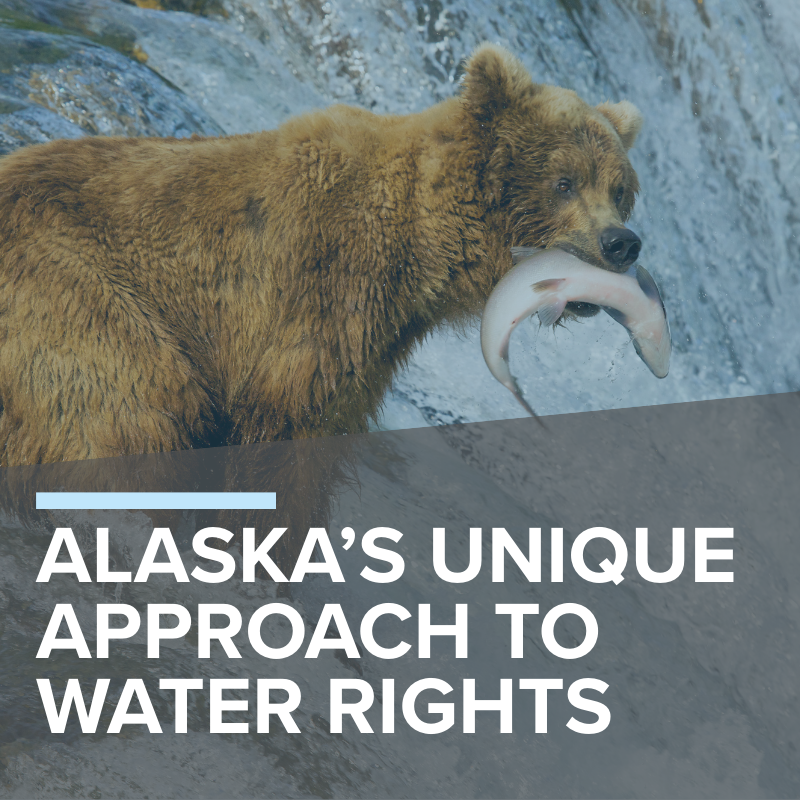
The importance of fish to so many Alaskans has led to persistent conflicts about who manages fishing on which waterways. For many Tribal Nations in Alaska, no issue matters more than subsistence fishing.
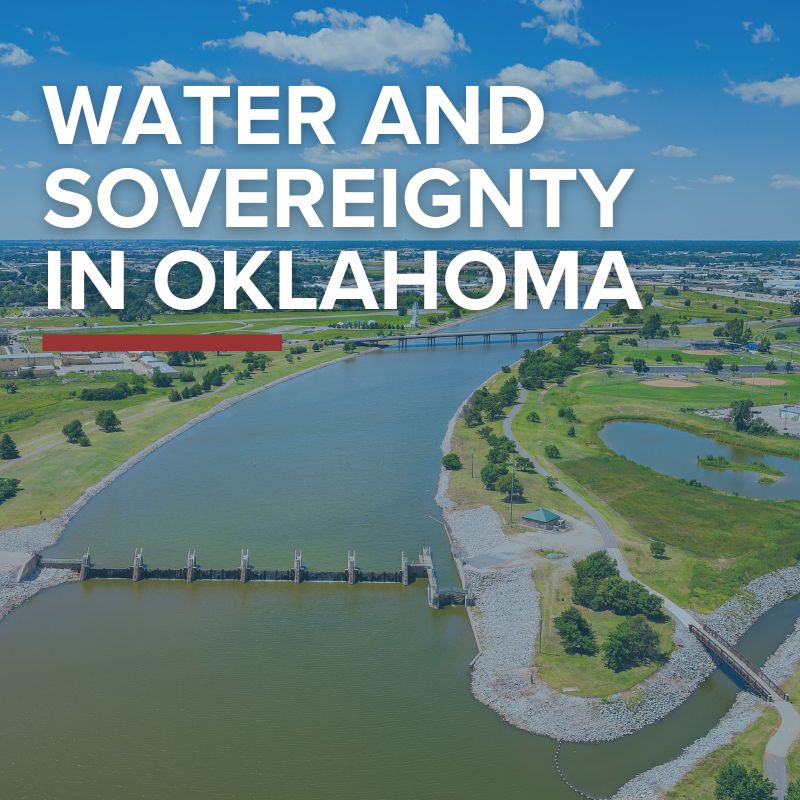
Tribal Nations in Oklahoma face many water quality and quantity issues. Not only is the state coming off a five-year drought, but flooding is also frequent. Surface water quality is poor because of agricultural runoff and algal blooms.
With a wealth of unappropriated water, Alaska is uniquely situated to protect Tribal water resources and avoid over allocation mistakes made by states in the western United States. Because of the abundance of water, fights over the amount of allocated water in Alaska rarely occur.
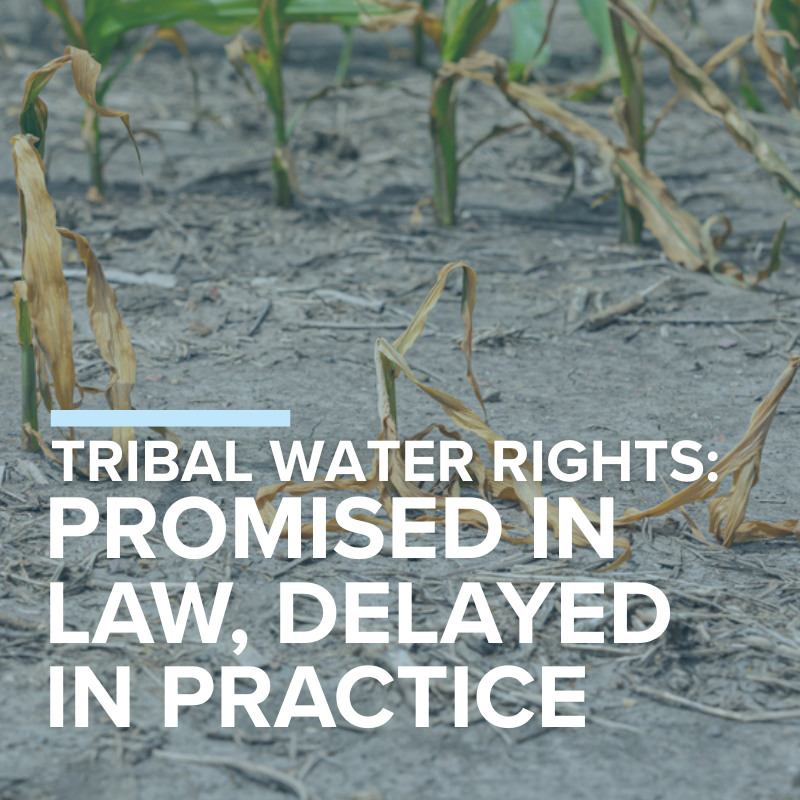
Since 1978 with the enactment of the Ak-Chin Indian Community Act of 1978, Pub. L. No. 95-328, Congress has approved thirty-five Indian water rights settlements and enacted them into law.
In this interview, John discusses why water rights and water issues have been a mainstay of NARF’s work since 1970, and how the first NARF directors...
The Colorado River Basin is home to thirty federally recognized Tribal Nations, each with unique histories, cultures, and relationships to the Colorado River and its tributaries.
The Clean Water Act is controversial not because of its overarching goal–clean water–but because achieving that goal requires impeding development along waterways and placing limits on industry that discharge pollutants into water bodies. Recent activity seek to narrow protections that impact Tribal waters.
Tribes use the CWA to safeguard water quality for ceremonies, fisheries, and other Tribal needs as an act of governance and sovereignty. This overview covers the Act, its programs, Tribal delegation of authority, and how Tribes can protect reservation waters.
Welcome to The Headwaters Report – a new digital blog site, bulletin, and source for Tribal water law information and resources. Every Tribal Nation should have free access to information necessary to advocate for and protect its water resources. Through The Headwaters Report, NARF intends to provide that to Indian Country.