
This year marks the 61st anniversary of the Voting Rights Act of 1965 (VRA), one of the nation’s most important civil rights laws. Enacted to prohibit racial discrimination in voting, the VRA has helped millions of Americans challenge barriers to the ballot box and protect their right to participate equally in our democracy.
Yet more than six decades later, Native voters continue to face obstacles that undermine that promise.
In April 2026, the U.S. Supreme Court dealt a significant blow to voting rights in Callais v. Louisiana. As NARF wrote at the time, the decision gutted Section 2 of the Voting Rights Act, the law’s primary protection against voting practices that discriminate on the basis of race. The ruling makes it substantially more difficult for communities of color to challenge discriminatory voting maps and election systems, weakening one of the most effective tools for protecting equal representation. For Native voters, these consequences are especially profound. Tribal Nations have long relied on Section 2 to challenge voting practices that dilute Native voting strength and deny Native communities an equal opportunity to elect representatives of their choice.
That fight continues in Turtle Mountain Band of Chippewa Indians v. Howe. The case began after the Turtle Mountain Band of Chippewa Indians, the Spirit Lake Tribe, and Native voters successfully challenged North Dakota’s legislative map under Section 2 of the Voting Rights Act. Although a federal district court found the map unlawfully diluted Native voting power, years of litigation have threatened the ability of Native voters to enforce those protections. Earlier this year, the U.S. Supreme Court vacated the Eighth Circuit’s decision and sent the case back for further proceedings in light of Callais, leaving the future of Section 2 enforcement uncertain.
The Native American Rights Fund remains committed to defending Native voting rights because access to the ballot is fundamental to Tribal self-determination and political representation. As attacks on the Voting Rights Act continue, protecting Native voices in our democracy has never been more important. The Voting Rights Act is more than a landmark law, it is a promise that every eligible voter deserves an equal voice..
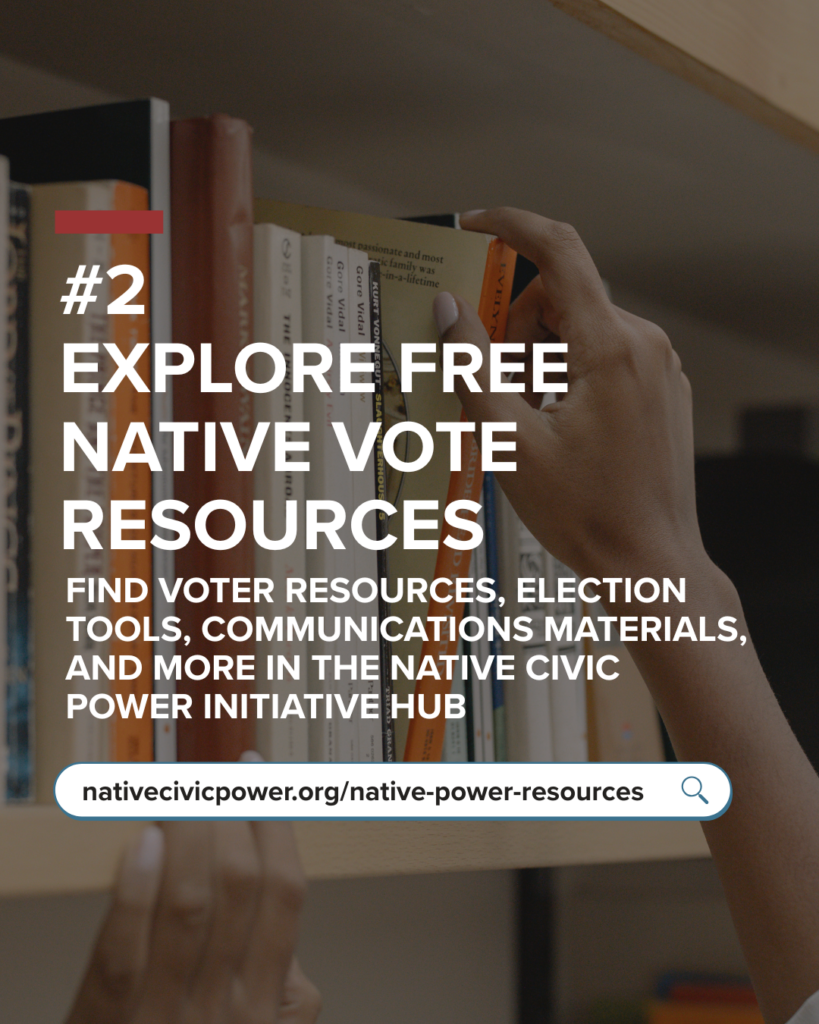
In response to this, seeing the continued need to unify around civic engagement, the Native Civic Power Initiative (NCPI) launched the Native Power Resource Hub this week: https://nativecivicpower.org/native-power-resources/
The Hub is a central organizing and capacity building space for Native-led organizations, Tribal Nations, funders, partners, and trusted messengers. Native Vote 2026 and voter protection are the first featured initiative, and they build the foundation for additional civic engagement efforts, including Census 2030.
At its core, civic power is about who votes, who is counted, and who is represented.
What you will find on the Hub:
- 2026 Native Vote resources
- Voter protection resources from NARF
- Communications tools to support those in the field
- Rapid response materials for breaking issues
- Census 2030 tools and how-tos
Everything on the Hub is meant to be used however it supports your work. Put your logo on it and send it out. Link to the Hub from your website. Repurpose anything in any way that helps the work you do. More is coming each week, including creative assets, voter protection training webinars, voter registration toolkits, and stories from the field to protect and uplift Native voters.
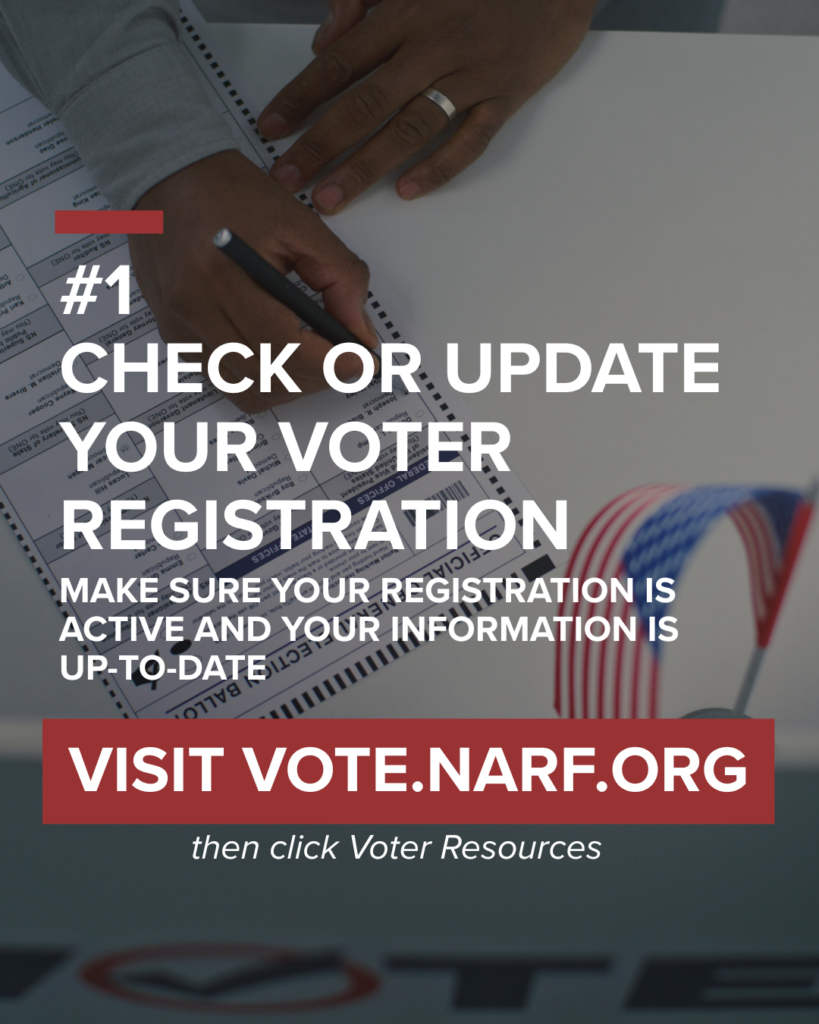
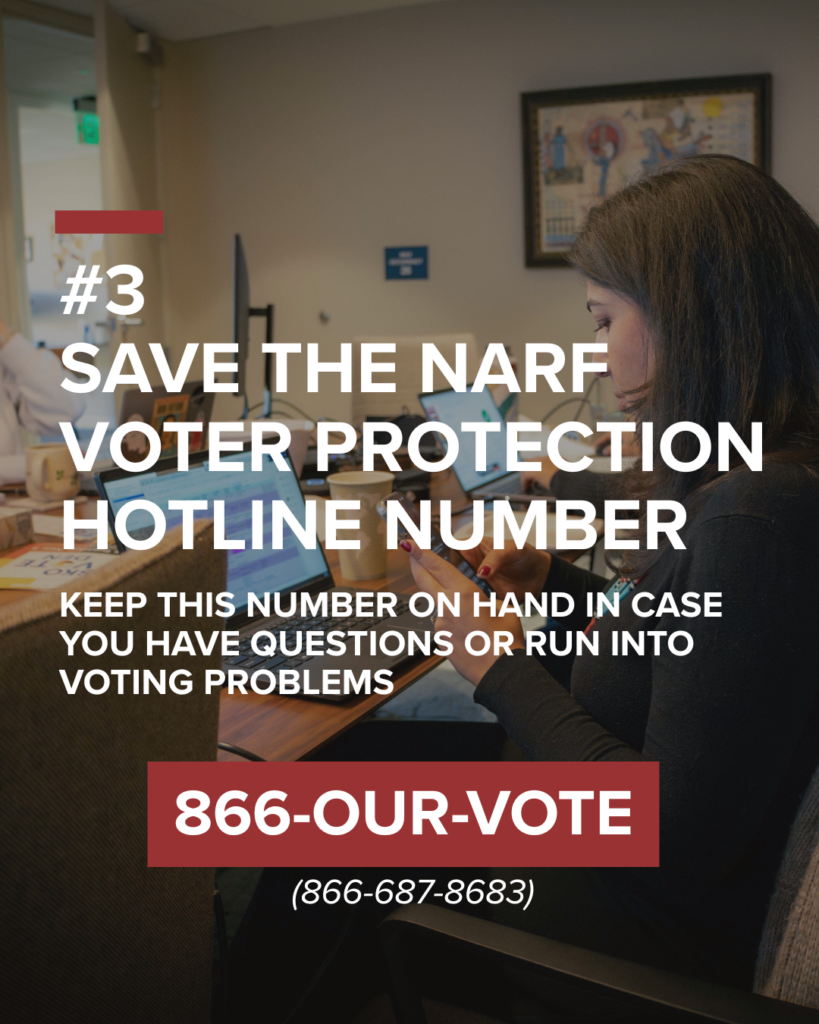
Additionally, here are 3 steps you can take today to protect your vote.