In a significant victory for Tribal sovereignty, the United States Supreme Court today denied cert in RunItOneTime LLC v. United States, a challenge to the constitutionality
On September 15, 2025, the National Congress of American Indians (NCAI) and National Association of Tribal Historic Preservation Officers (NATHPO) filed an amici curiae
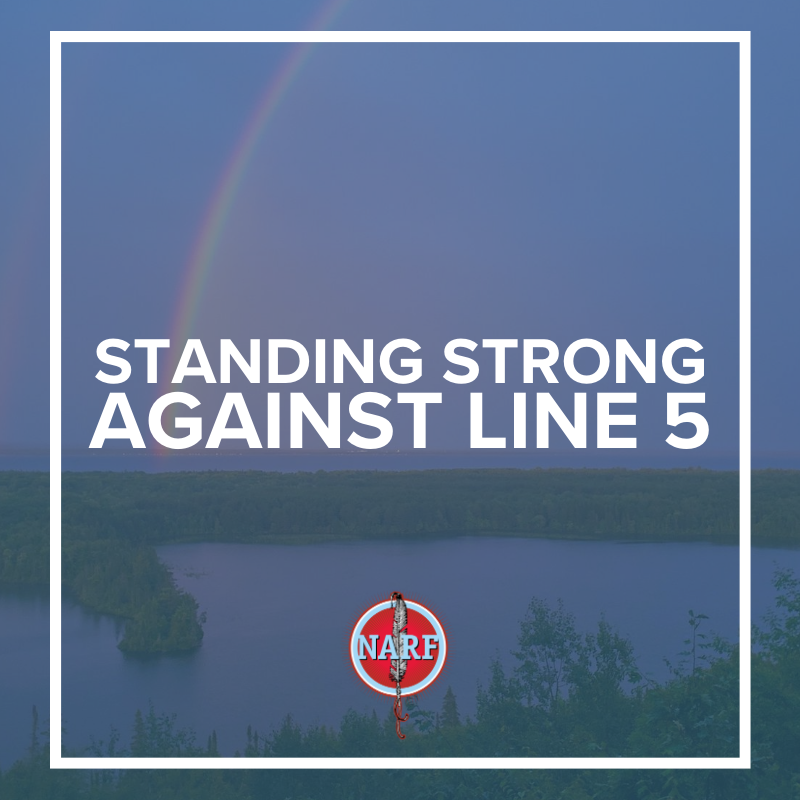
Native American Rights Fund (NARF) applauds Bad River Band and green groups fighting to stop the new oil pipeline.
NARF, which represents the Bay Mills Indian Community
Native organizations provide critical context and information on Native prisoners’ rights and the preservation of Native religious practice. Forced haircuts by prison officials substantially burden religious practice.
UPDATE: On August 22, 2025, the Ninth Circuit U.S. Court of Appeals affirmed the district court’s summary judgment in favor of the Shoshone-Bannock Tribes of the Fort
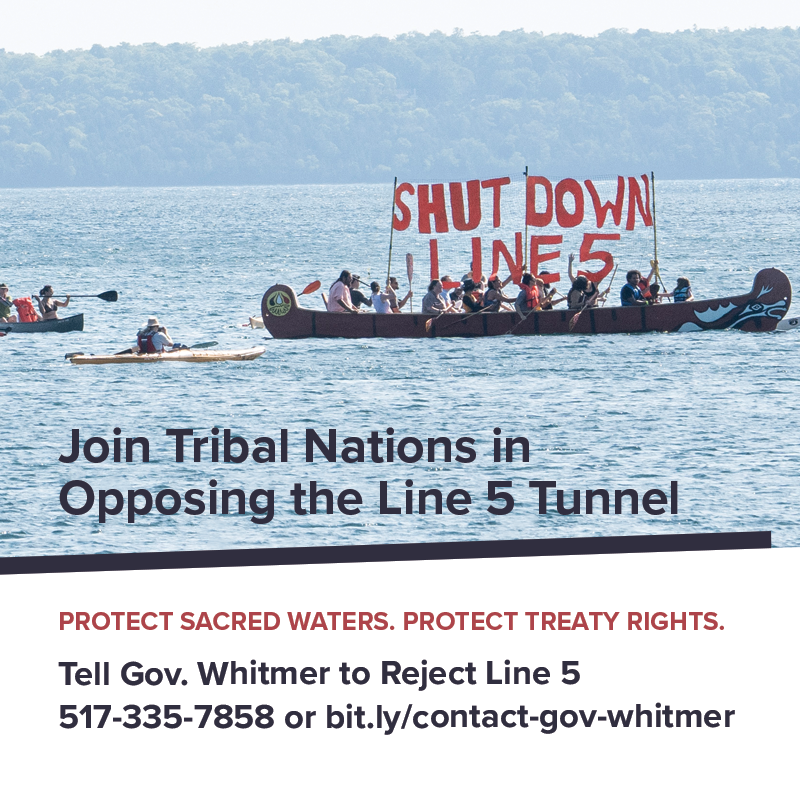
The Bay Mills Indian Community, Grand Traverse Band of Ottawa and Chippewa Indians, Little Traverse Bay Band of Odawa Indians, and Nottawaseppi Huron Band of the Potawatomi filed notice on December 22, 2023, that they will appeal the Michigan Public Service Commission’s (MPSC) recent approval of a permit for Canadian oil giant Enbridge to build the Line 5 tunnel project beneath the Straits of Mackinac.
Shinnecock Tribal citizens are asserting aboriginal fishing rights in court, seeking a decision that would confirm their right to continue their ancestral fishing
Since 1991, the Native American Rights Fund and the Western States Water Council (WSWC) have sponsored a biennial symposium to discuss the settlement of Indian reserved
Yesterday, pundit Ann Coulter stated on X (formerly Twitter) that “we didn’t kill enough Indians.” The post was shared more than a million times. As a writer and a lawyer,