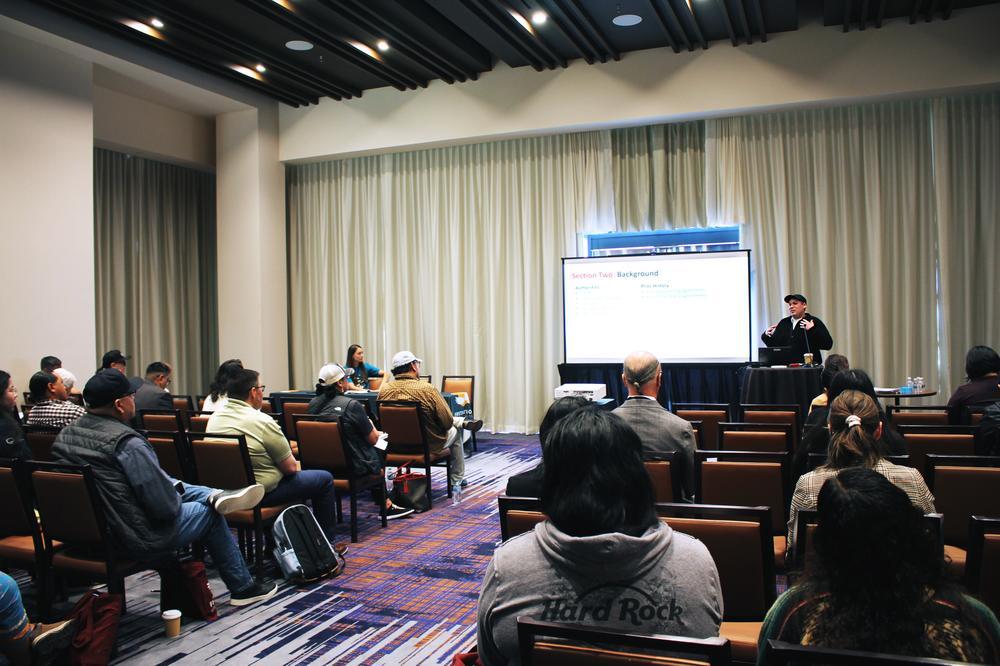
Since 1991, the Native American Rights Fund and the Western States Water Council (WSWC) have sponsored a biennial symposium to discuss the settlement of Indian reserved
Yesterday, pundit Ann Coulter stated on X (formerly Twitter) that “we didn’t kill enough Indians.” The post was shared more than a million times. As a writer and a lawyer,
The Clean Water Act is controversial not because of its overarching goal–clean water–but because achieving that goal requires impeding development along waterways and placing limits on industry that discharge pollutants into water bodies. Recent activity seek to narrow protections that impact Tribal waters.
Launching the Headwaters Report to Strengthen Tribal Water Sovereignty
Water is life—Mni Wiconi. On this World Water Day, we recognize the urgent need to protect Tribal
Tribes use the CWA to safeguard water quality for ceremonies, fisheries, and other Tribal needs as an act of governance and sovereignty. This overview covers the Act, its programs, Tribal delegation of authority, and how Tribes can protect reservation waters.
On Friday, March 7, 2025, three Tribal Nations (Pueblo of Isleta, Prairie Band Potawatomi Nation, and Cheyenne Arapaho Tribes) along with Native students (Ella Bowen,
Welcome to The Headwaters Report – a new digital blog site, bulletin, and source for Tribal water law information and resources. Every Tribal Nation should have free access to information necessary to advocate for and protect its water resources. Through The Headwaters Report, NARF intends to provide that to Indian Country.
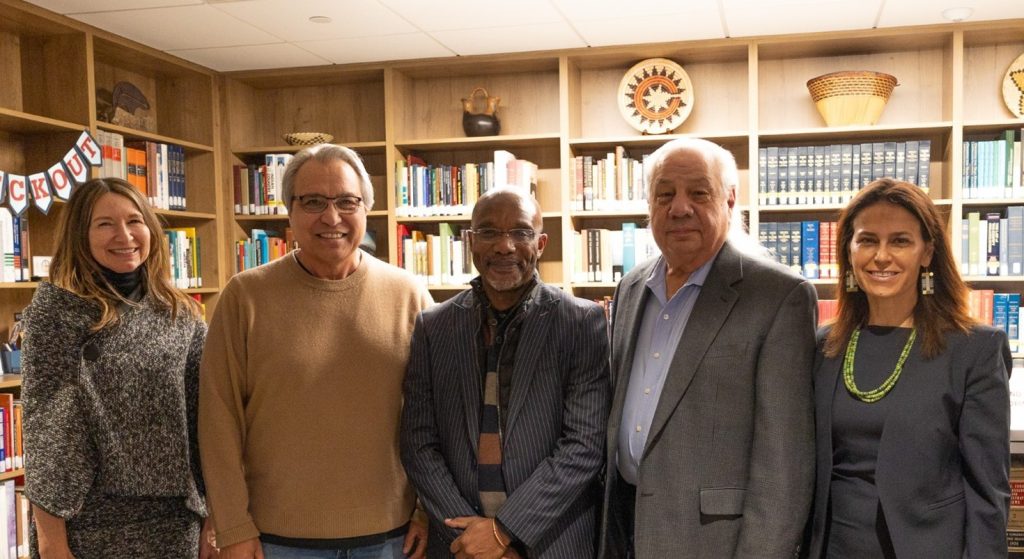
On January 13, 2025, The Implementation Project (TIP), Native American Rights Fund (NARF), and University of Colorado Law School hosted a welcome reception at NARF’s