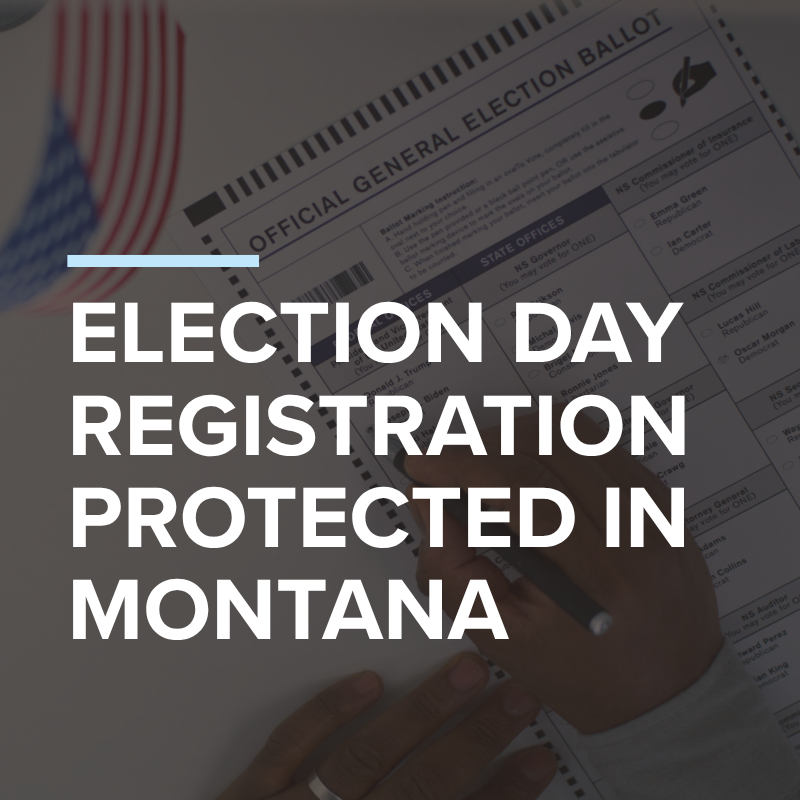


On May 11, 2026, the Montana First Judicial District Court, Lewis and Clark County, issued an order ruling that Senate Bill 490, which passed during the 2025 Montana Legislative
For 25 years, the Tribal Supreme Court Project has worked to protect Tribal sovereignty and defend the rights of Tribal Nations and Native people before the Supreme Court of the United States. This year, the Native American Rights Fund is proud to mark that milestone with the release of the Tribal Supreme Court Project 25th Anniversary Report, a reflection on the Project’s history, impact, and future.
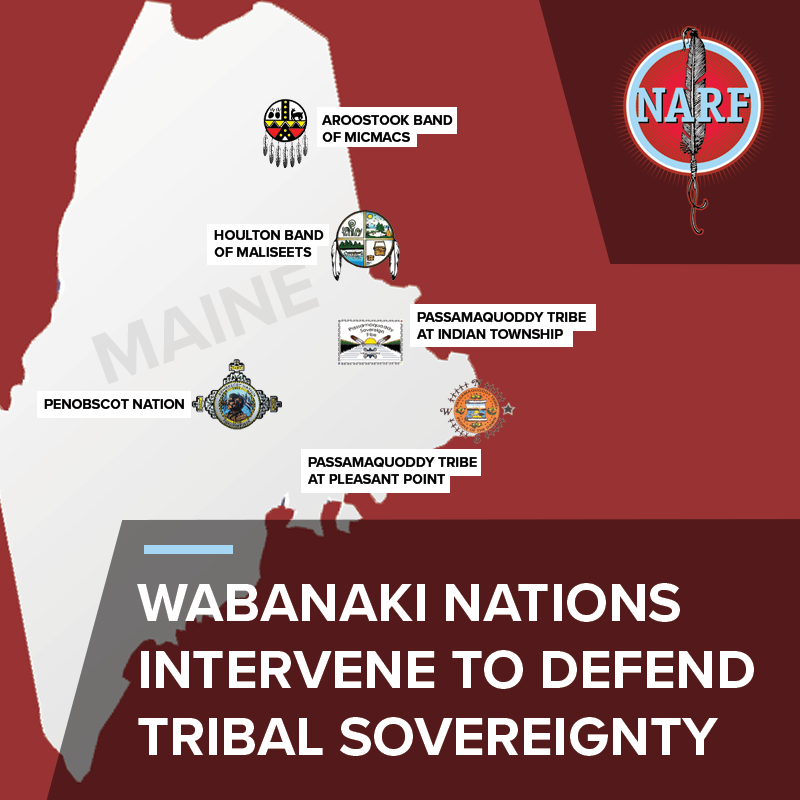
On April 1, 2026, the four Wabanaki Nations — the Houlton Band of Maliseet Indians, the Mi’kmaq Nation, the Passamaquoddy Tribe, and the Penobscot Nation — represented
Tribal sovereignty has always existed, long before the United States was formed, and Tribal Nations continue to govern their own lands and citizens today. Yet recent legal debates about birthright citizenship have raised questions that overlook this fundamental reality.
The Implementation Project is a joint initiative of the Native American Rights Fund and Colorado Law to advance education and advocacy regarding the United Nations Declaration
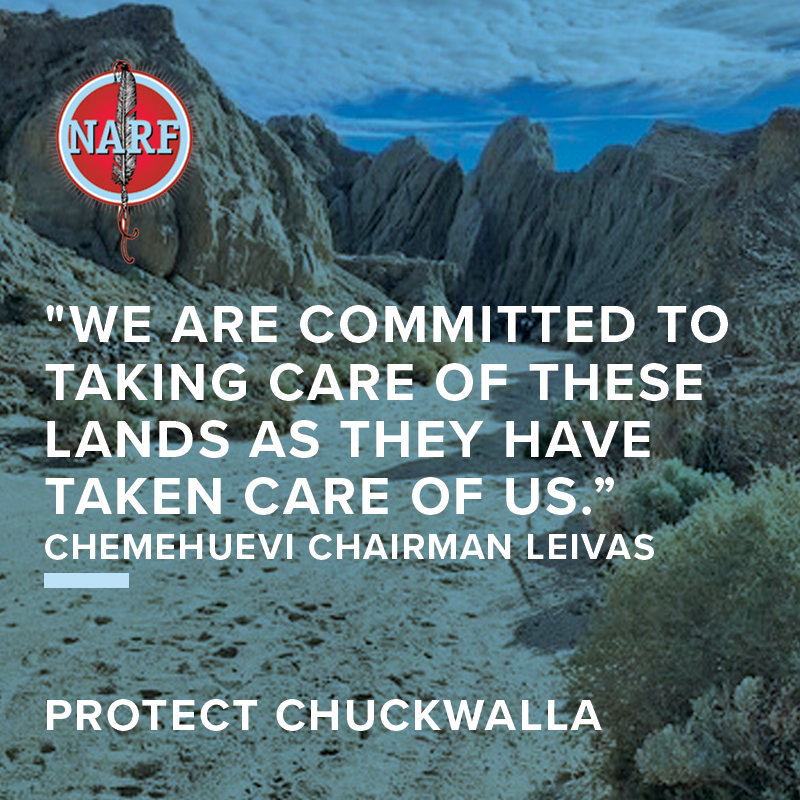
Today, on behalf of the Torres Martinez Desert Cahuilla Indians, Fort Yuma Quechan Indian Tribe, Chemeheuvi Indian Tribe, Colorado River Indian Tribes, and Morongo Band of Mission Indians, the Native American Rights Fund filed to intervene in Torongo v. Burgum, a case that threatens the long-sought designation of the Chuckwalla National Monument.
For more than 30 years, the Native American Rights Fund’s Indigenous Peacemaking Initiative (IPI) has supported Tribal Nations and Native communities in implementing and revitalizing traditional dispute resolution practices—often called “Peacemaking.” Founded in 1992, IPI remains committed to strengthening Indigenous justice systems grounded in culture, community, and sovereignty.
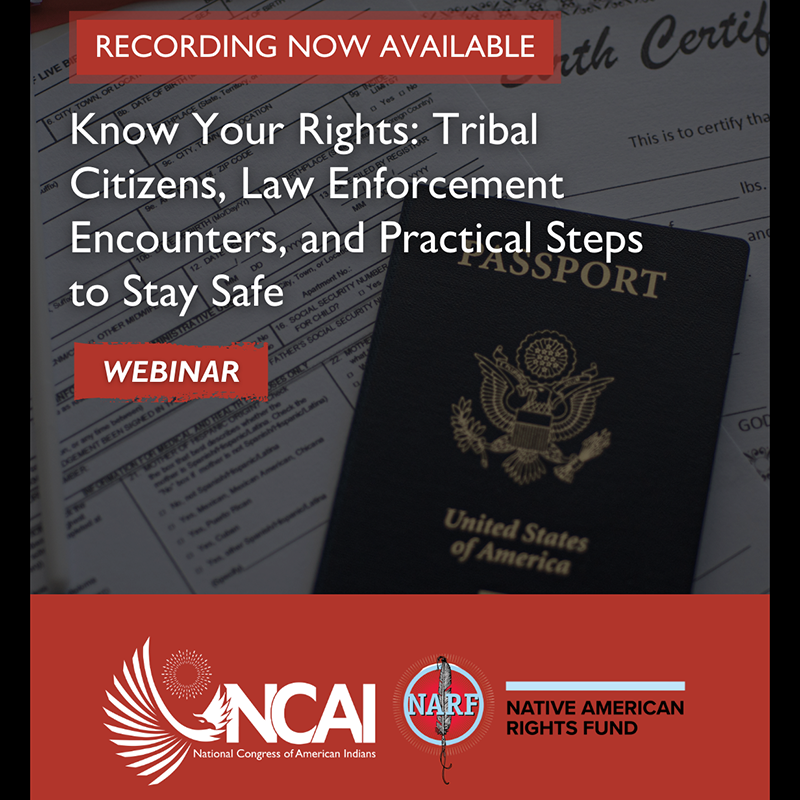
In response to recent concerns raised across Indian Country, NCAI and the Native American Rights Fund (NARF) will host a 60-minute “Know Your Rights” webinar followed by a 30-minute moderated Q&A using pre-screened questions.
Although hydroelectric energy has long been touted as a “clean” energy, hydropower projects have devastated Tribal Nations’ treaty-protected rights and resources—particularly salmon and other endangered fish species runs. This overview provides a starting point for Tribal Nations seeking to engage.