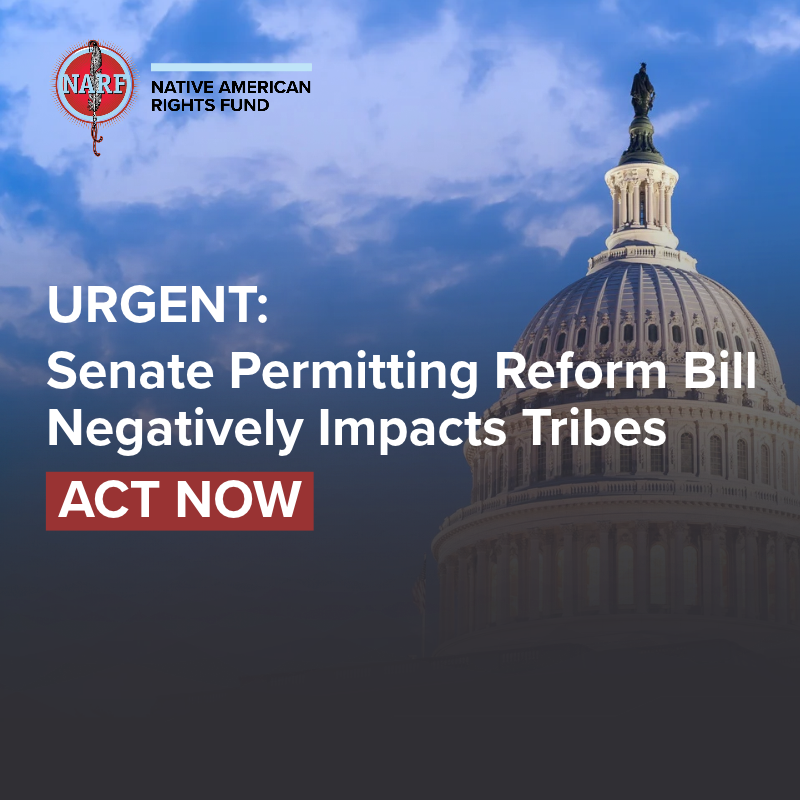
If your Tribal Nation is interested in sharing your view on the BAAJA to your respective Senators, time is of the essence. While a Senate vote is not scheduled until November
The Implementation Project (TIP), a joint project of the Native American Rights Fund and Colorado Law, will be hosting the next TIP Quarterly, Tribes, Intertribal Organizations,
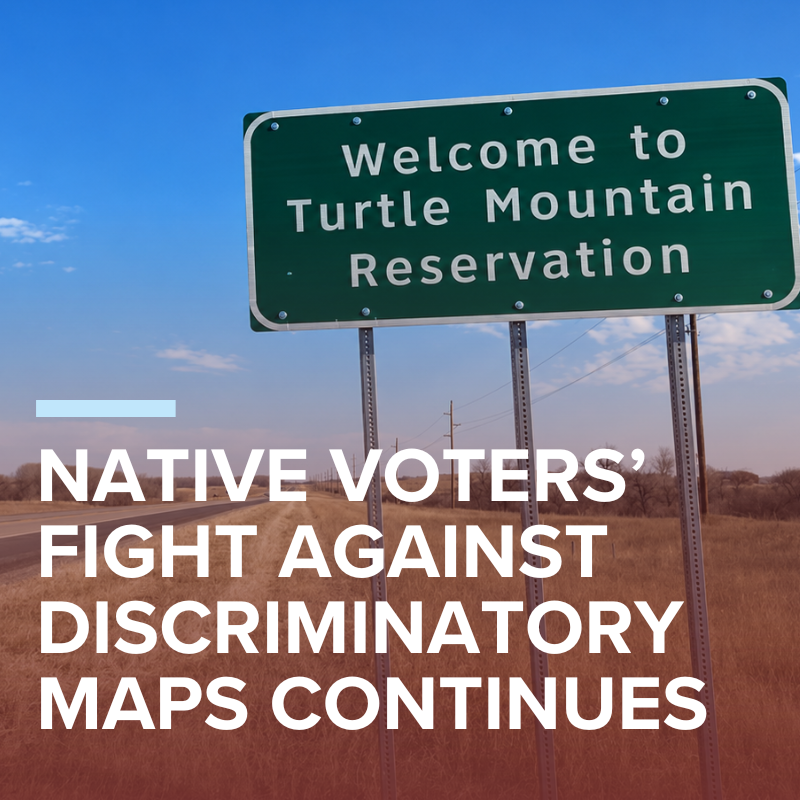
Turtle Mountain Band of Chippewa Indians, the Spirit Lake Tribe, and individual Native American plaintiffs in North Dakota continue the fight to protect their voting rights.
The Voting Rights Act was signed in Aug 6, 1965 (VRA) is one of the nation's most important civil rights laws. Enacted to prohibit racial discrimination in voting, the VRA has helped millions of Americans challenge barriers to the ballot box and protect their right to participate equally in our democracy.
Thank you to our summer law clerks for your exceptional service this summer. Your hard work, dedication, and fresh perspectives have been invaluable to our team. The NARF Summer Law Clerk Program is vital to our mission, bringing in new talent and energy that drives our success in Indian Country. We appreciate all you’ve contributed and look forward to seeing the incredible impact you’ll continue to make in your legal careers and your communities.
Tribal sovereignty is a long game. In meeting with federal or state officials, Tribal leaders often proclaim that the Tribes were here first and they will be here after everyone else is gone. Our stewardship will last beyond the decisions of today. It is easy to get caught up in the concept that the sky is falling, but it isn’t — at least not everywhere. However, what is happening in some cases, like in the Line 5 pipeline, could bring irreversible damage to Tribal and non-Tribal communities. Today’s decisions will significantly impact our shared ability to live on this land in the right way in the future, at least until we can right today’s wrongs.
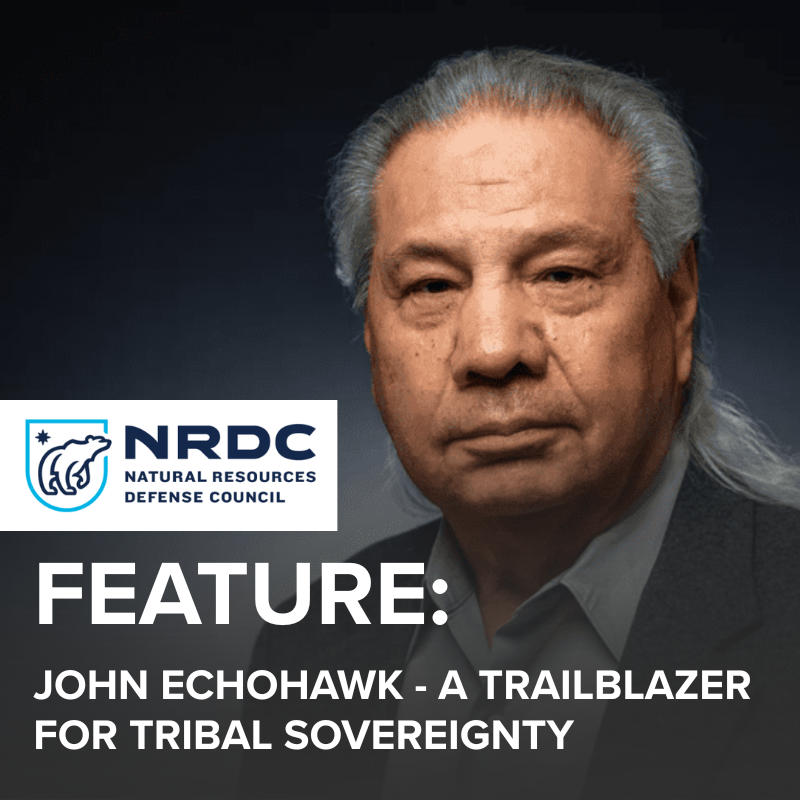
NRDC Board member John Echohawk, a member of the Pawnee Nation and Executive Director of the Native American Rights Fund, has devoted his career to asserting the legal and civil rights of Native Americans.
The National Indian Law Library is dedicated to federal Indian and Tribal law. As part of NARF, the library serves both NARF attorneys and the public by maintaining a unique and valuable collection of Indian law resources and providing specialized research assistance on Indian Law topics.
This article provides a case review and discussion of a growing conflict between Tribal Nations and non‑Indian landowners over who has the authority to regulate water use on non-Indian fee land within reservation boundaries—Tribes or states.
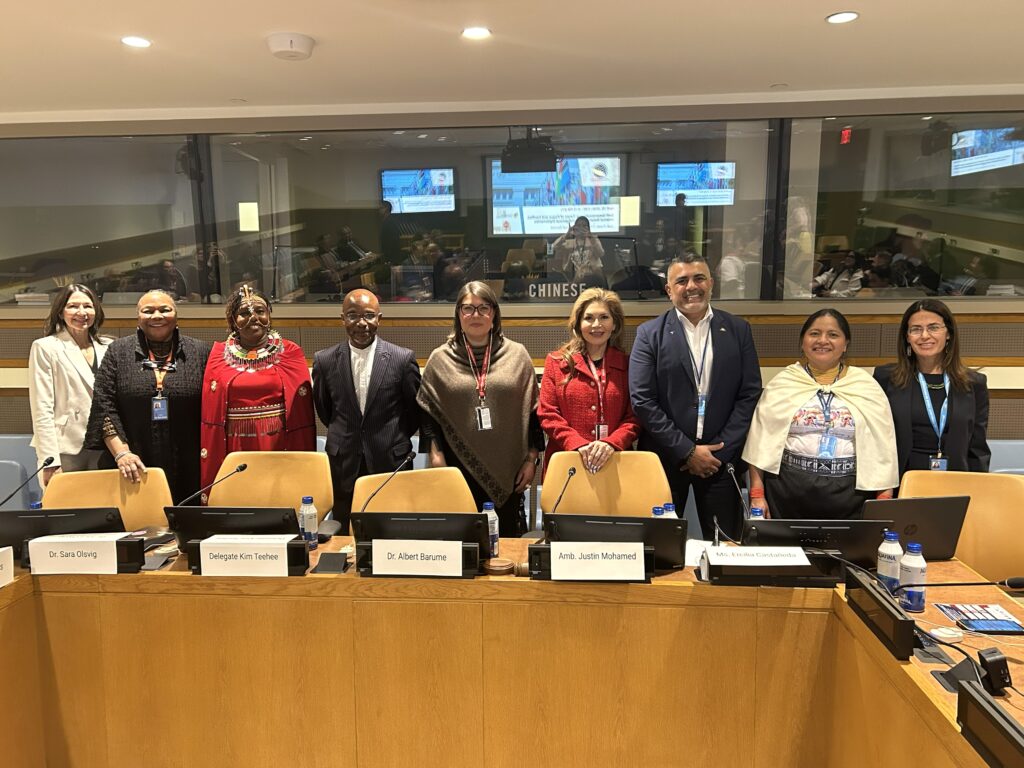
The Implementation Project (TIP) attended the 25th Session of the United Nations Permanent Forum on Indigenous Issues from April 20 to May 1, 2026, to support Tribal leaders in ensuring attention to Indigenous Peoples’ issues arising in the United States and abroad. The theme of the 25th Session was “Ensuring Indigenous Peoples’ health, including in the context of conflict.”