

Since 1991, the Native American Rights Fund and the Western States Water Council (WSWC) have sponsored a biennial symposium to discuss the settlement of Indian reserved
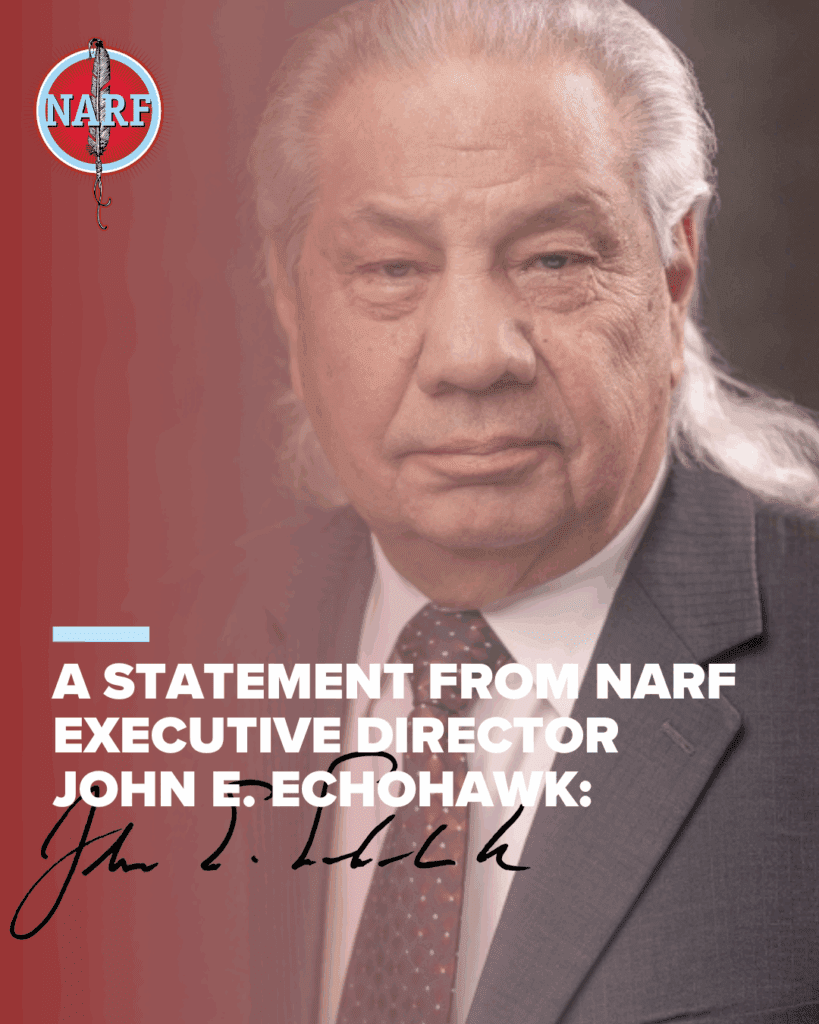
Yesterday, pundit Ann Coulter stated on X (formerly Twitter) that “we didn’t kill enough Indians.” The post was shared more than a million times. As a writer and a lawyer,
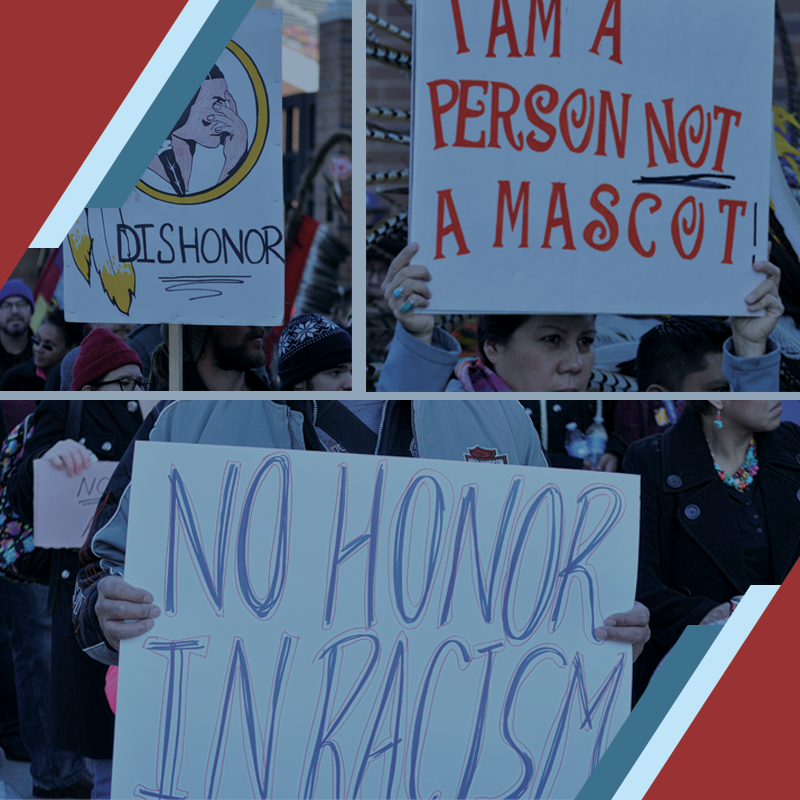
For generations, Native children have been forced to sit through school assemblies, pep rallies, and sporting events where their identities are mocked. Where their
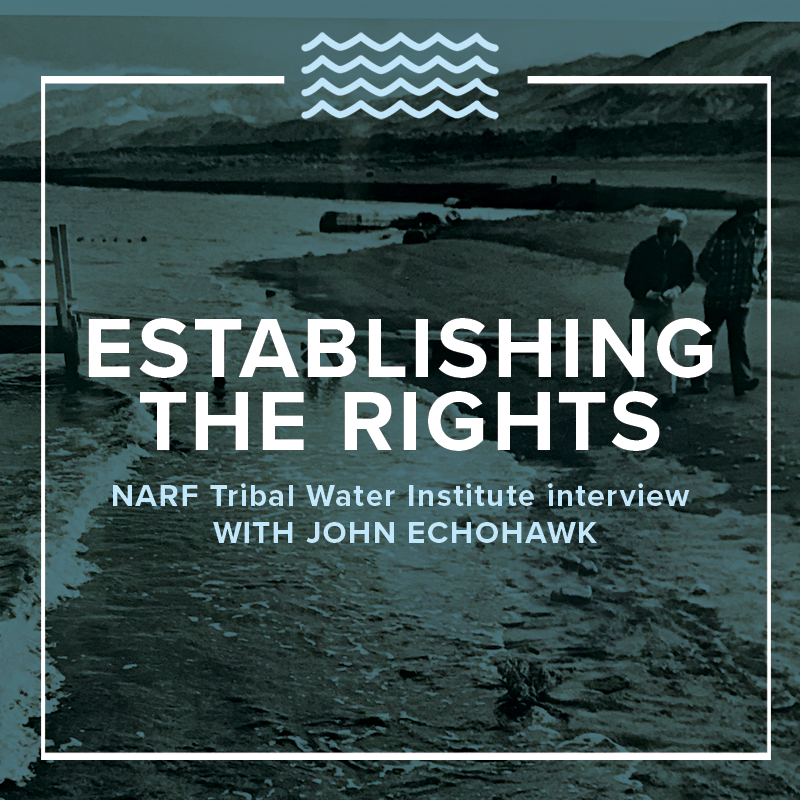
In this interview, John discusses why water rights and water issues have been a mainstay of NARF’s work since 1970, and how the first NARF directors...
Six Michigan Tribes withdrew from Line 5 federal discussions after learning that the US Army Corps of Engineers will likely fast-track its approval for Enbridge...
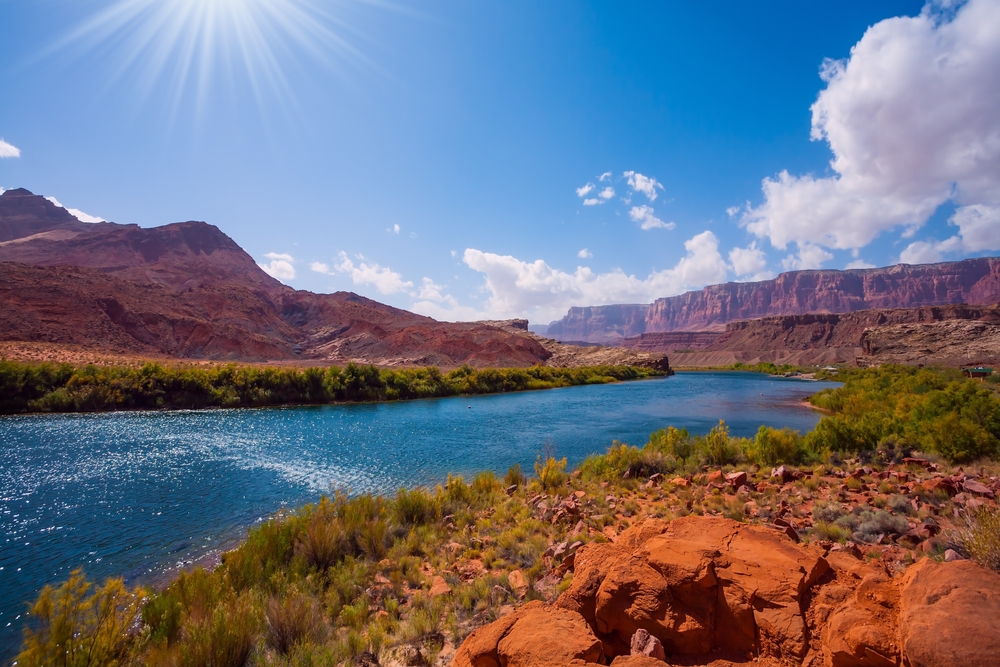
The Colorado River Basin is home to thirty federally recognized Tribal Nations, each with unique histories, cultures, and relationships to the Colorado River and its tributaries.
Despite the partial settlement with the Montana Board of Public Education, the class action lawsuit continues against the Montana Office of Public Instruction...
The Clean Water Act is controversial not because of its overarching goal–clean water–but because achieving that goal requires impeding development along waterways and placing limits on industry that discharge pollutants into water bodies. Recent activity seek to narrow protections that impact Tribal waters.
The Oklahoma Statewide Charter School Board and a Catholic charter school cite federal Indian Boarding schools as an example of federal funding of religious education