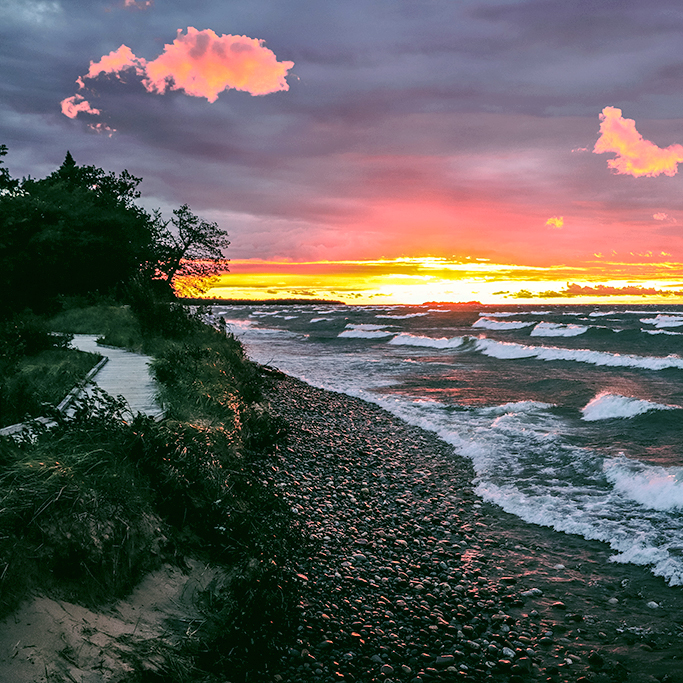
Six Michigan Tribes withdrew from Line 5 federal discussions after learning that the US Army Corps of Engineers will likely fast-track its approval for Enbridge...
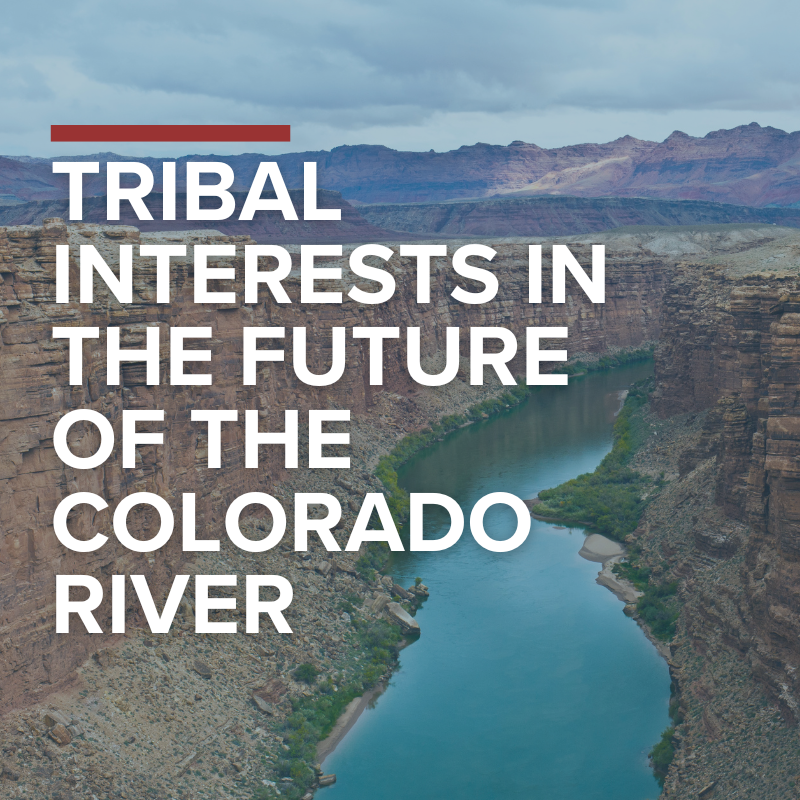
The Colorado River Basin is home to thirty federally recognized Tribal Nations, each with unique histories, cultures, and relationships to the Colorado River and its tributaries.
Despite the partial settlement with the Montana Board of Public Education, the class action lawsuit continues against the Montana Office of Public Instruction...
The Clean Water Act is controversial not because of its overarching goal–clean water–but because achieving that goal requires impeding development along waterways and placing limits on industry that discharge pollutants into water bodies. Recent activity seek to narrow protections that impact Tribal waters.
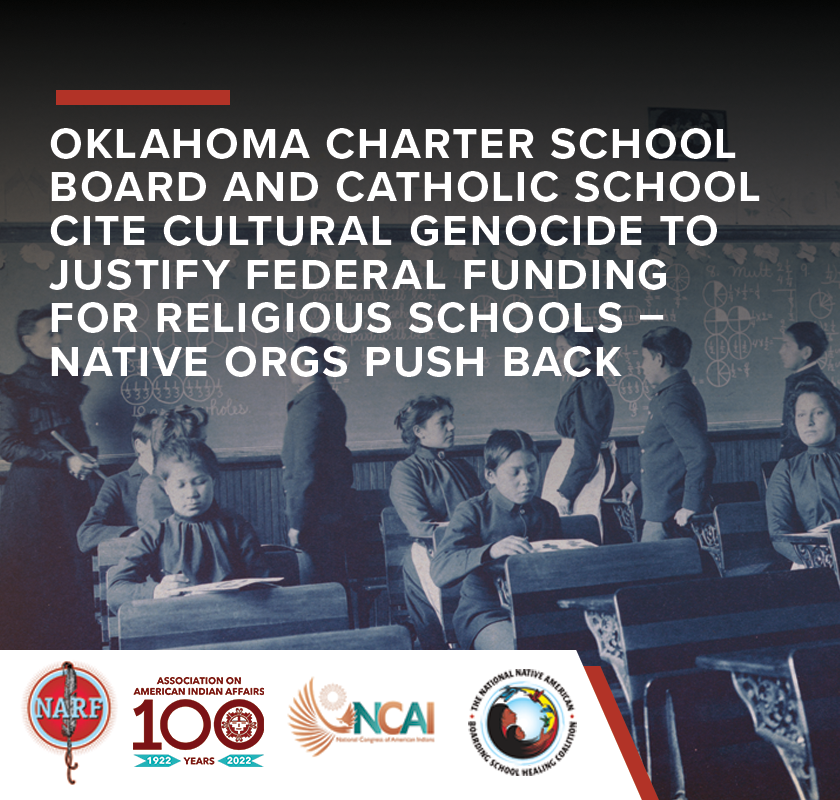
The Oklahoma Statewide Charter School Board and a Catholic charter school cite federal Indian Boarding schools as an example of federal funding of religious education
Native students often wear regalia or related items for the same reasons that some students wear an honor cord or stole to graduation—in recognition of their academic
Launching the Headwaters Report to Strengthen Tribal Water Sovereignty
Water is life—Mni Wiconi. On this World Water Day, we recognize the urgent need to protect Tribal
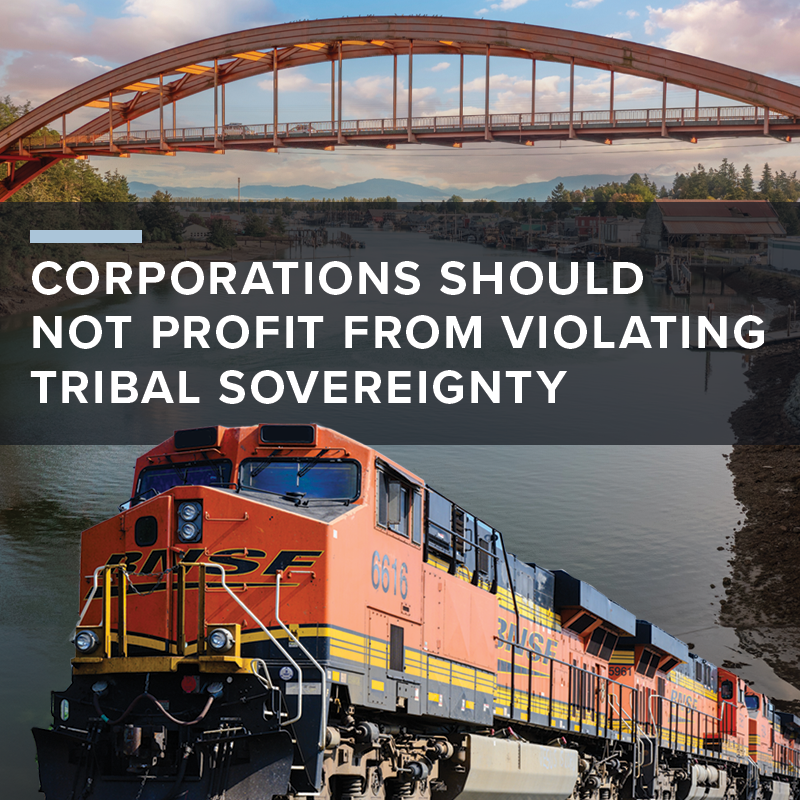
Tribal Amici Support Accountability for Corporate Wrongdoers Who Violate Tribal Sovereignty
Sixteen Tribal Nations across Washington, Oregon, Idaho, and Montana
Tribes use the CWA to safeguard water quality for ceremonies, fisheries, and other Tribal needs as an act of governance and sovereignty. This overview covers the Act, its programs, Tribal delegation of authority, and how Tribes can protect reservation waters.
On Friday, March 7, 2025, three Tribal Nations (Pueblo of Isleta, Prairie Band Potawatomi Nation, and Cheyenne Arapaho Tribes) along with Native students (Ella Bowen,