Six Michigan Tribes withdrew from Line 5 federal discussions after learning that the US Army Corps of Engineers will likely fast-track its approval for Enbridge...
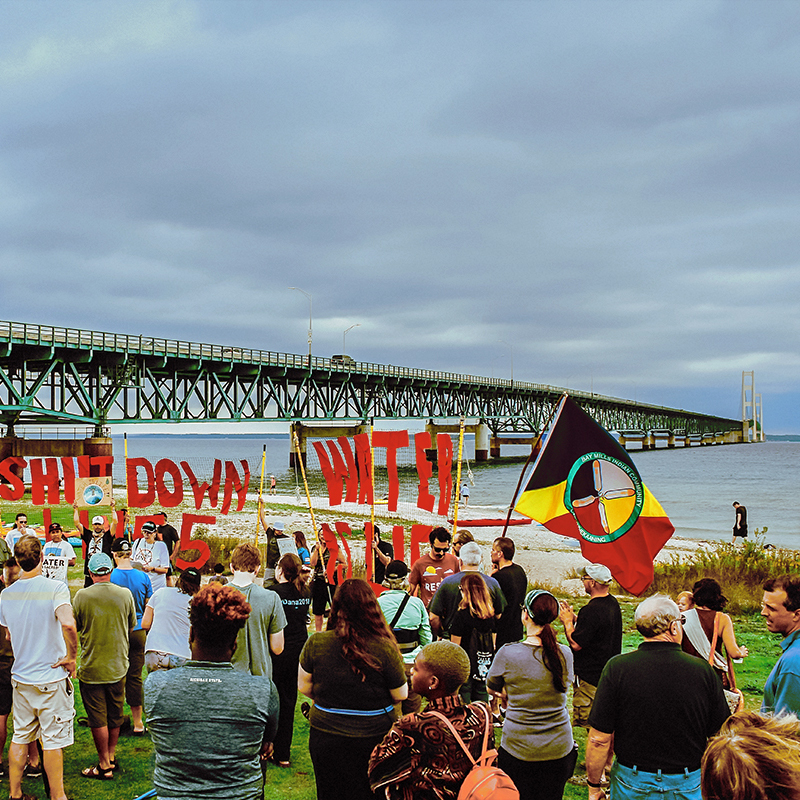
The Bay Mills Indian Community, Grand Traverse Band of Ottawa and Chippewa Indians, Little Traverse Bay Band of Odawa Indians, and Nottawaseppi Huron Band of the Potawatomi filed notice on December 22, 2023, that they will appeal the Michigan Public Service Commission’s (MPSC) recent approval of a permit for Canadian oil giant Enbridge to build the Line 5 tunnel project beneath the Straits of Mackinac.
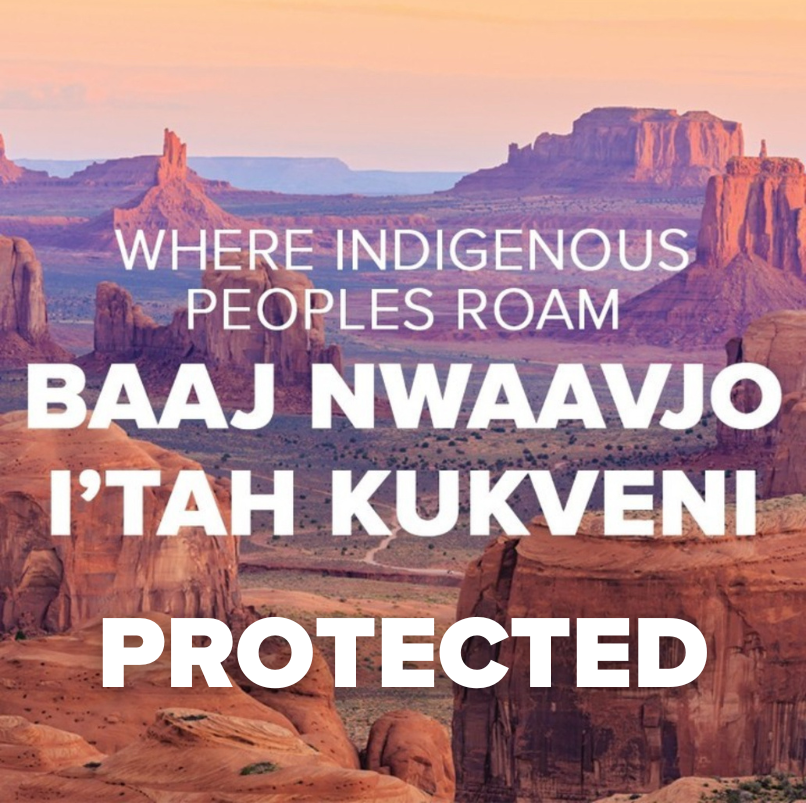
The Havasupai Tribe, the Hopi Tribe, and the Navajo Nation defended their request to intervene in a lawsuit attacking their role as co-managers of the new Baaj Nwaavjo I’tah Kukveni – Ancestral Footprints of the Grand Canyon National Monument, and challenging the laws that allow U.S. President Biden...
As citizens of sovereign nations engulfed by another country that occupies most of their historic land base, Indigenous peoples still must navigate layers of policy and levels of U.S. government to protect and access places at which they worshiped freely prior to the 1400s.
Myra Parker (Mandan/Hidatsa) delineates the complex causes of why Indigenous communities need to heal and discusses how accessing sacred places can help Tribal Nations attain better public health.
David LaSarte-Meeks (Coeur d'Alene) encourages Native people that they have what it takes to follow in the footsteps of their ancestors, innovate, and lead next generations.
Former Isleta Pueblo Governor and Chief Judge Verna Teller (Isleta Pueblo) explains how lack of access and improving access to sacred places impacts the health and survival of Indigenous lifeways, cultures, and peoples today.
Traditional knowledge, culture, health, and spirituality are so interconnected with Native American sacred places. NARF has a long history protecting sacred places and supporting solutions grounded in Indigenous thinking. This Native American Heritage month and through the end of the year, we will highlight the ongoing work to protect sacred places.
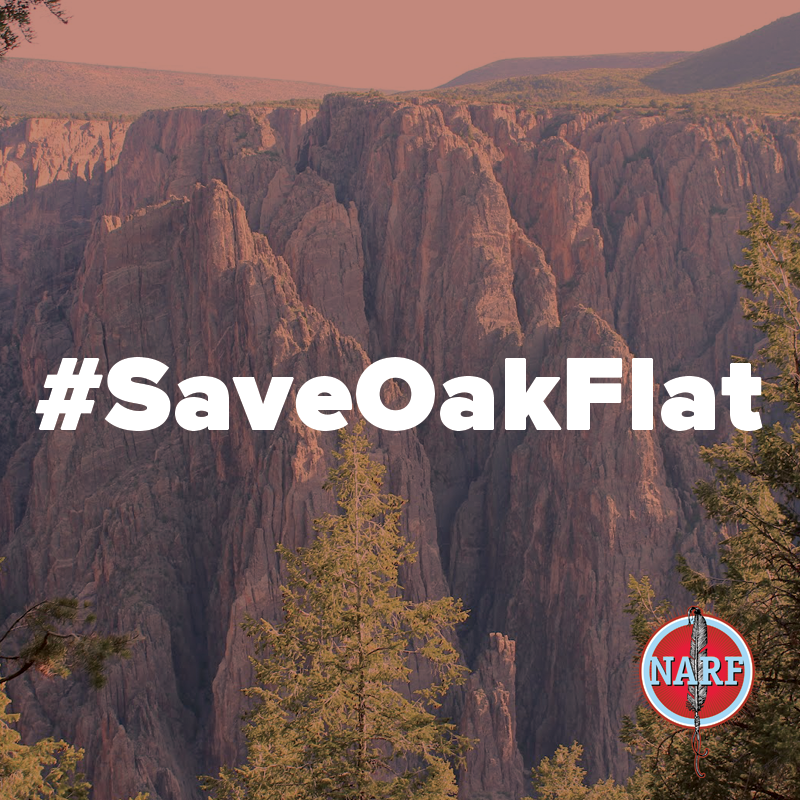
Tribal Nations and organizations urged the U.S. Supreme Court to review lower court rulings impacting religious freedom and the sacred place called Oak Flat in English.