The Implementation Project (TIP), a joint project of the Native American Rights Fund and Colorado Law, will be hosting the next TIP Quarterly, Tribes, Intertribal Organizations,
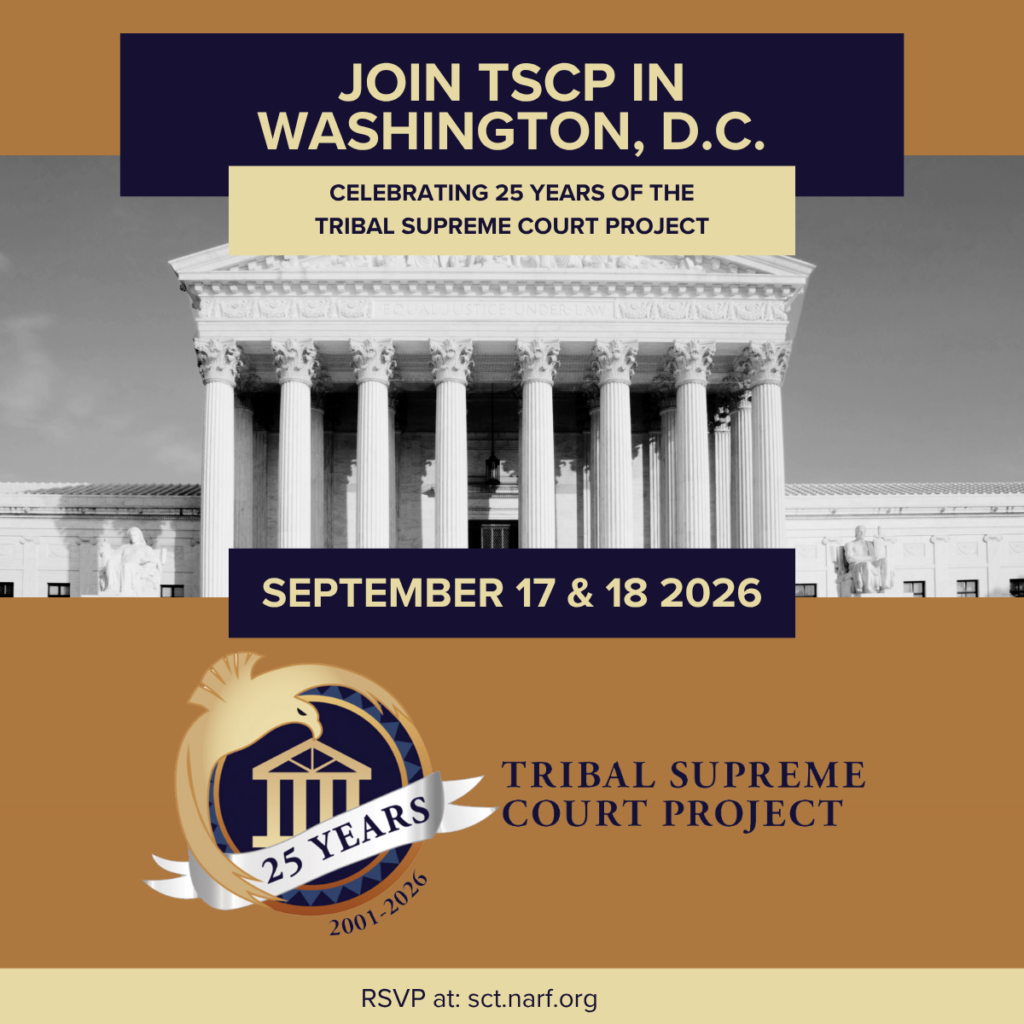
In 2026, the Tribal Supreme Court Project commemorates a quarter-century of service to Indian Country and envisions the next 25 years of protecting and furthering the interests of Tribal Nations at the U.S. Supreme Court.
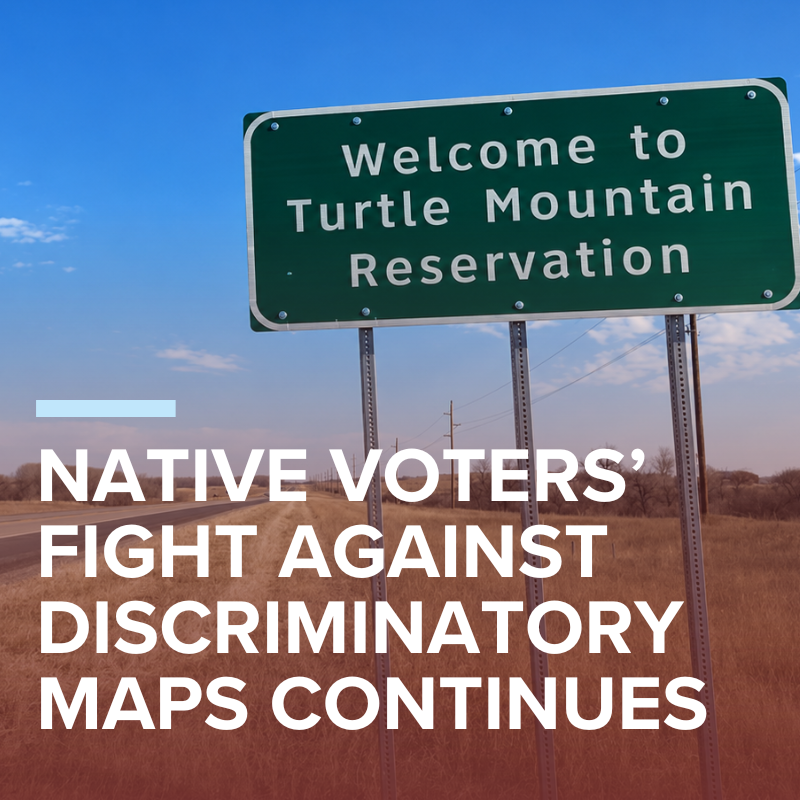
Turtle Mountain Band of Chippewa Indians, the Spirit Lake Tribe, and individual Native American plaintiffs in North Dakota continue the fight to protect their voting rights.
Tribal Nations and Students File Amended Challenges to Federal Changes to Indian Education
Three Tribal Nations (Pueblo of Isleta, Prairie Band Potawatomi Nation,
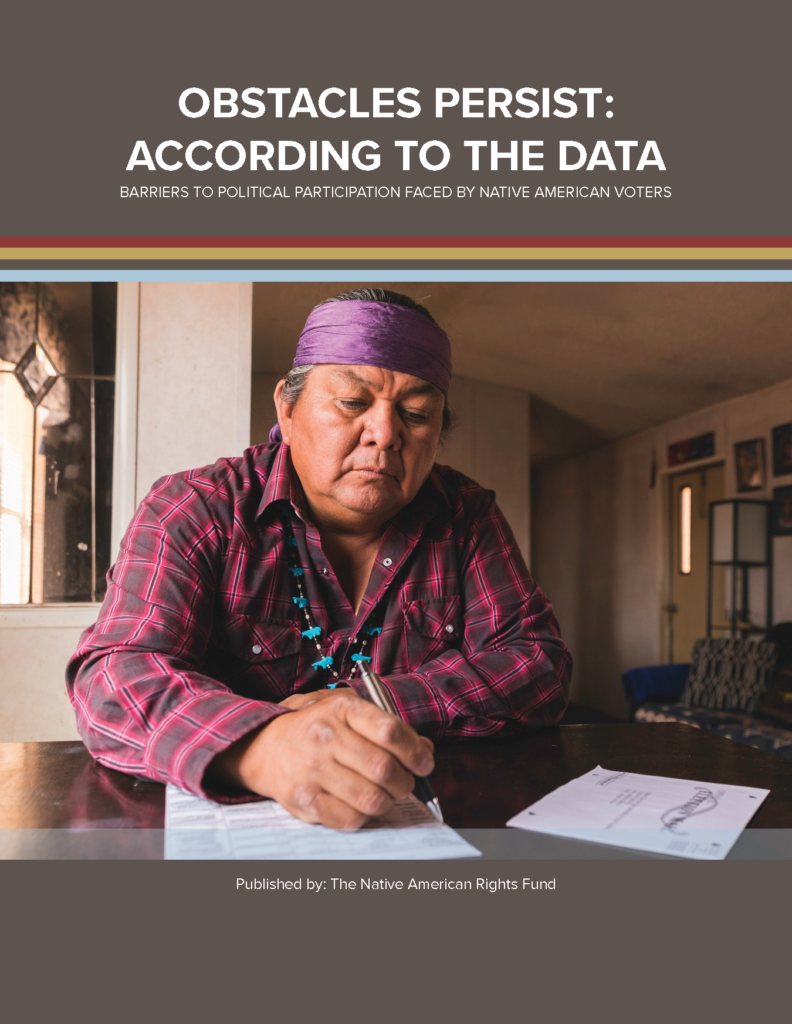
Native Americans continue to experience significant, compounding barriers to voting at every step of the election process, from registration to ballot counting, according to a new report from the Native American Rights Fund.
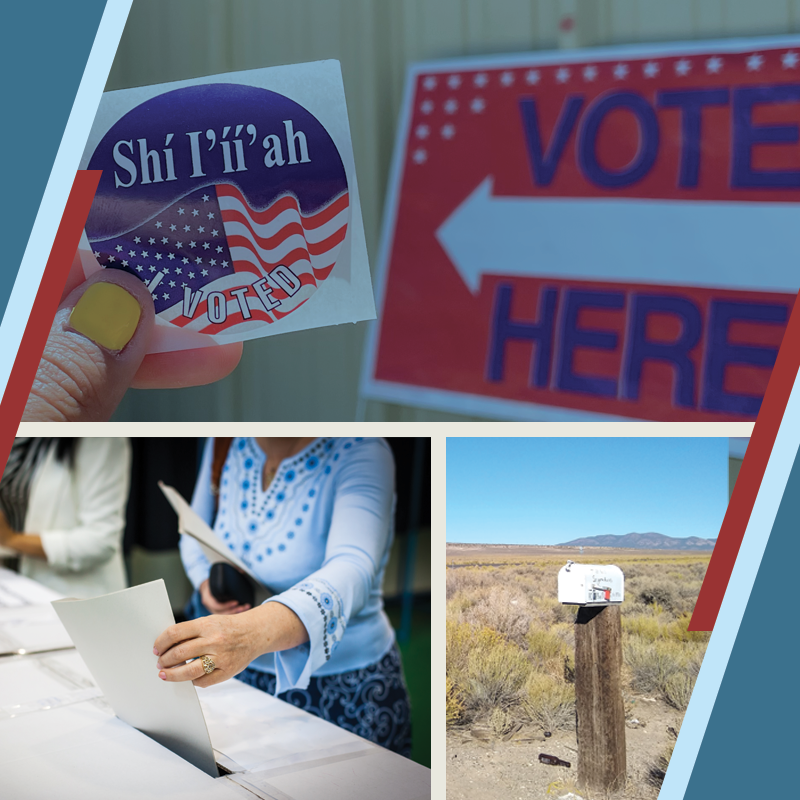
The Voting Rights Act was signed in Aug 6, 1965 (VRA) is one of the nation's most important civil rights laws. Enacted to prohibit racial discrimination in voting, the VRA has helped millions of Americans challenge barriers to the ballot box and protect their right to participate equally in our democracy.
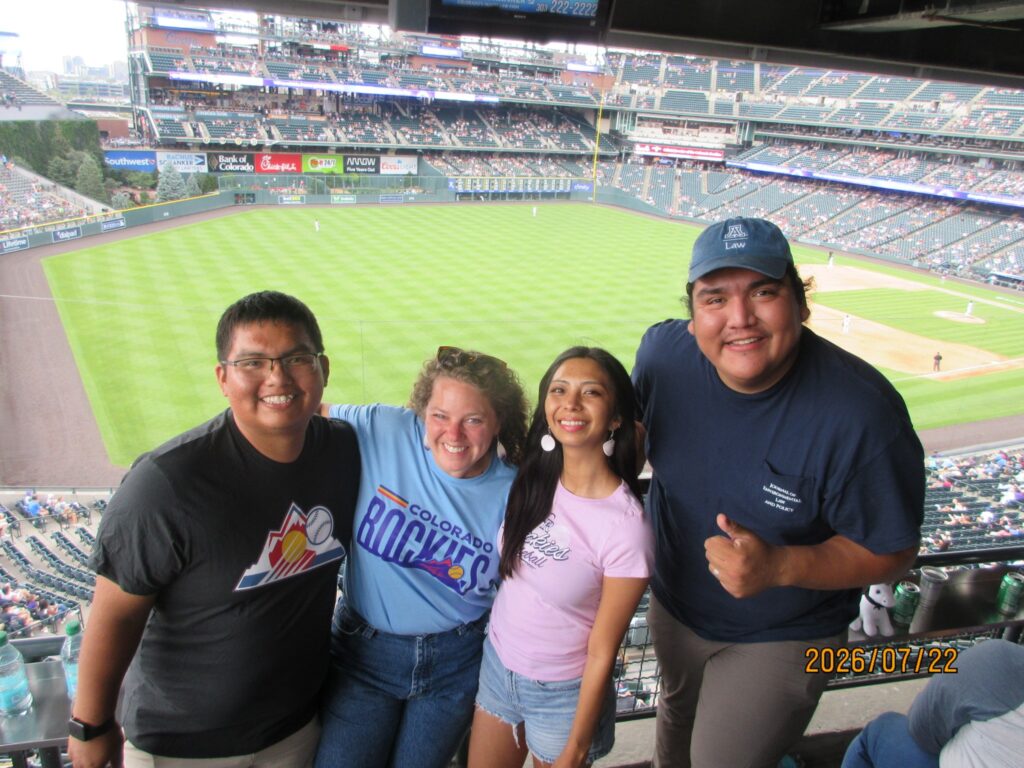
Thank you to our summer law clerks for your exceptional service this summer. Your hard work, dedication, and fresh perspectives have been invaluable to our team. The NARF Summer Law Clerk Program is vital to our mission, bringing in new talent and energy that drives our success in Indian Country. We appreciate all you’ve contributed and look forward to seeing the incredible impact you’ll continue to make in your legal careers and your communities.
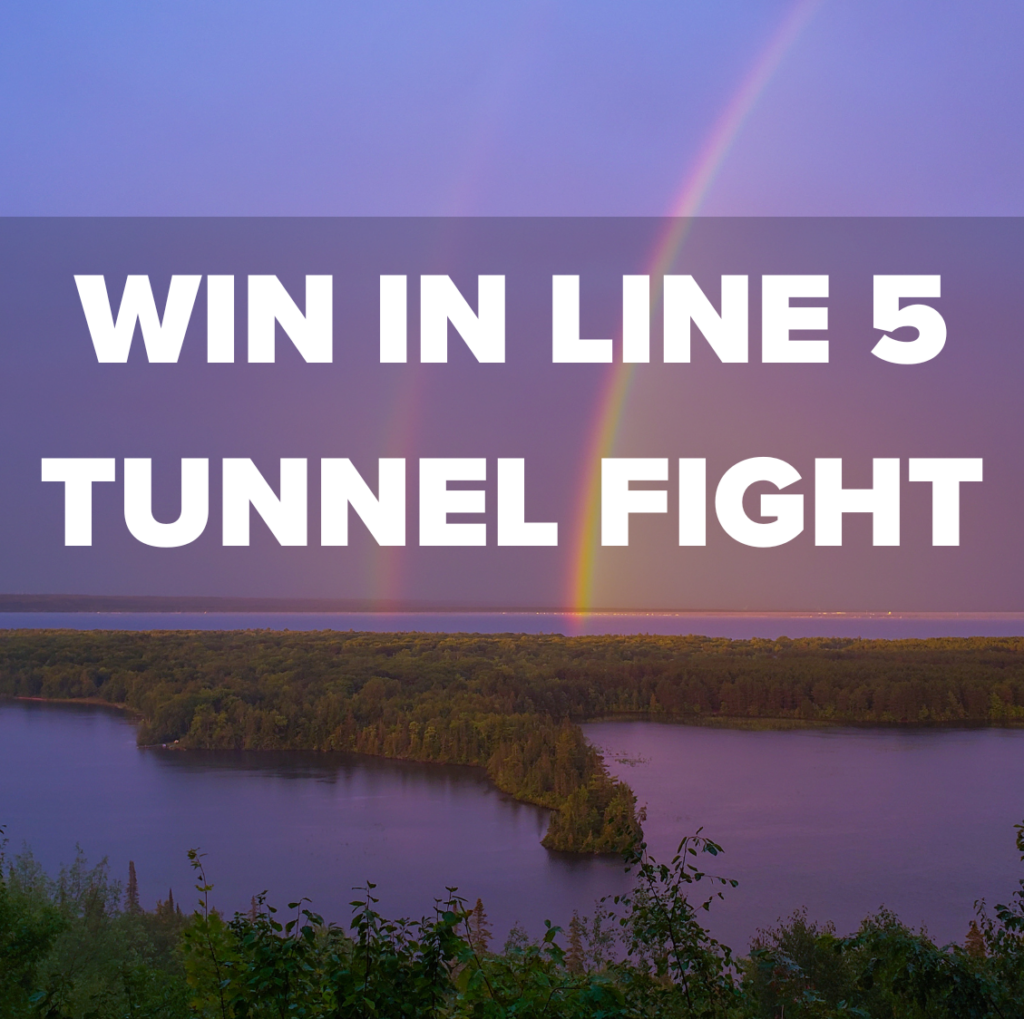
Enbridge must re-do its application to build an oil tunnel below the Straits of Mackinac
In a major victory for Tribal nations in Michigan, the state’s Supreme Court has
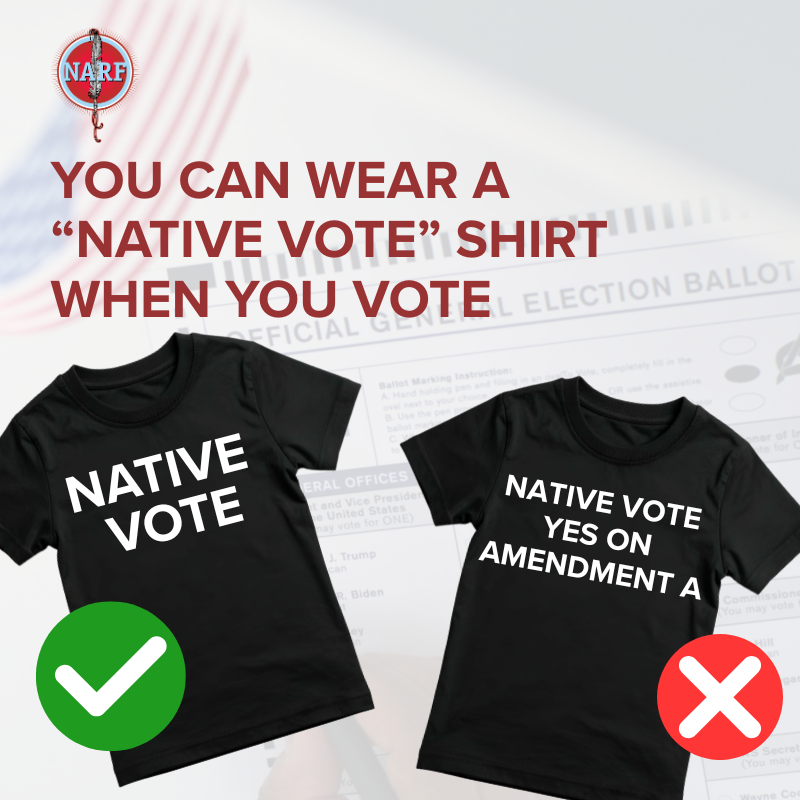
In past elections, some Native voters were told they couldn’t vote while wearing “Native Vote”
shirts. That’s not correct. These shirts are generally permitted in polling places because they are
nonpartisan, although election rules vary by state.