
On Wednesday, April 29, 2026, the Supreme Court of the United States gutted Section 2 of the Voting Rights Act with their ruling in Callais v. Louisiana. The Native American
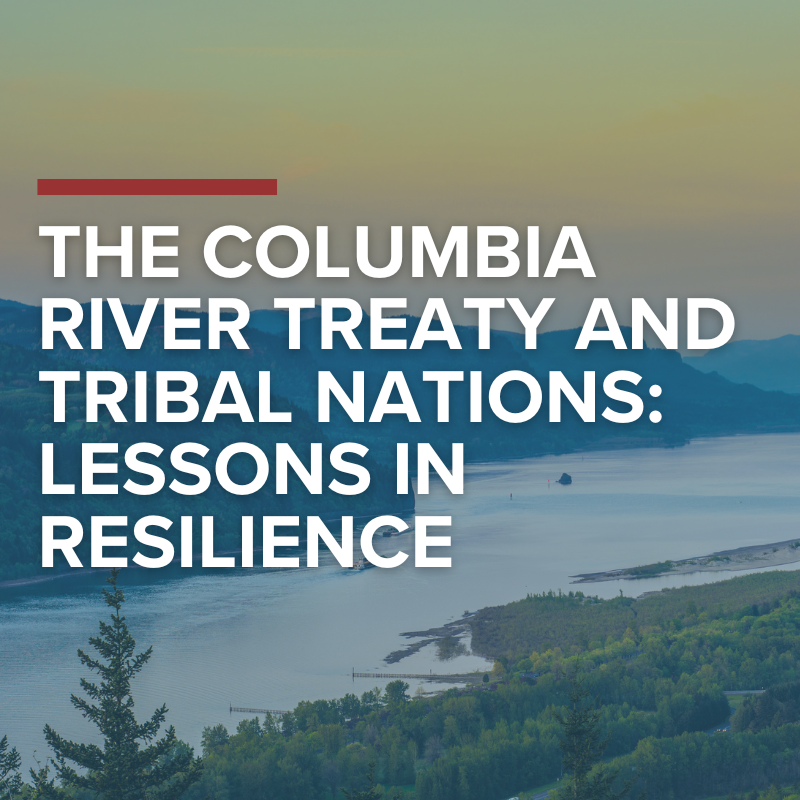
A Columbia River Treaty was reached and ratified in 1961 and it continues to provide flood control and coordinated upstream storage for downstream hydropower. Today, there is opportunity to address past wrongs through the current renegotiation of the treaty.
The Native American Rights Fund stands in solidarity with the Southern Poverty Law Center (SPLC) as it faces a grand jury indictment.
Efforts to intimidate or discredit
This Earth Day, we celebrate a recent win for Baaj Nwaavjo I’tah Kukveni (Ancestral Footprints of the Grand Canyon National Monument), established through sustained
The NARF 2025 Annual Report is now available!
The annual report is an opportunity to see how your donations are paying off as an investment in justice. The report covers
On April 1, 2026, the Indian Peaks Band of the Paiute Indian Tribe of Utah, represented by the Native American Rights Fund, filed a Notice of Appeal and Petition for Stay with the U.S. Department of the Interior, Office of Hearings and Appeals, Interior Board of Land Appeals (IBLA), challenging the Bureau of Land Management’s March 2, 2026, approval of the Pine Valley Water Supply Project.
On April 1, 2026, the four Wabanaki Nations — the Houlton Band of Maliseet Indians, the Mi’kmaq Nation, the Passamaquoddy Tribe, and the Penobscot Nation — represented
Tribal sovereignty has always existed, long before the United States was formed, and Tribal Nations continue to govern their own lands and citizens today. Yet recent legal debates about birthright citizenship have raised questions that overlook this fundamental reality.
As we celebrate National Library Week, we recognize the vital role libraries play in expanding access to knowledge, empowering communities, and preserving culture.