
The NARF 2024 Annual Report is now available!
The annual report is an opportunity to see how your donations are paying off as an investment in justice. The report covers
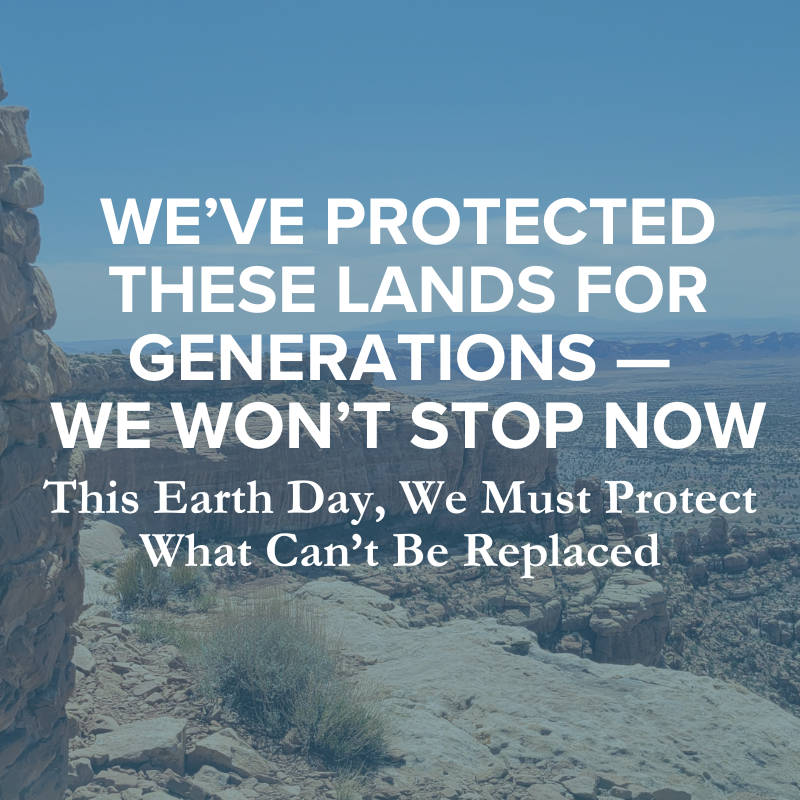
National monuments are precious places that preserve our heritage and make our country a better place to live. They are a shared resource that Americans support across
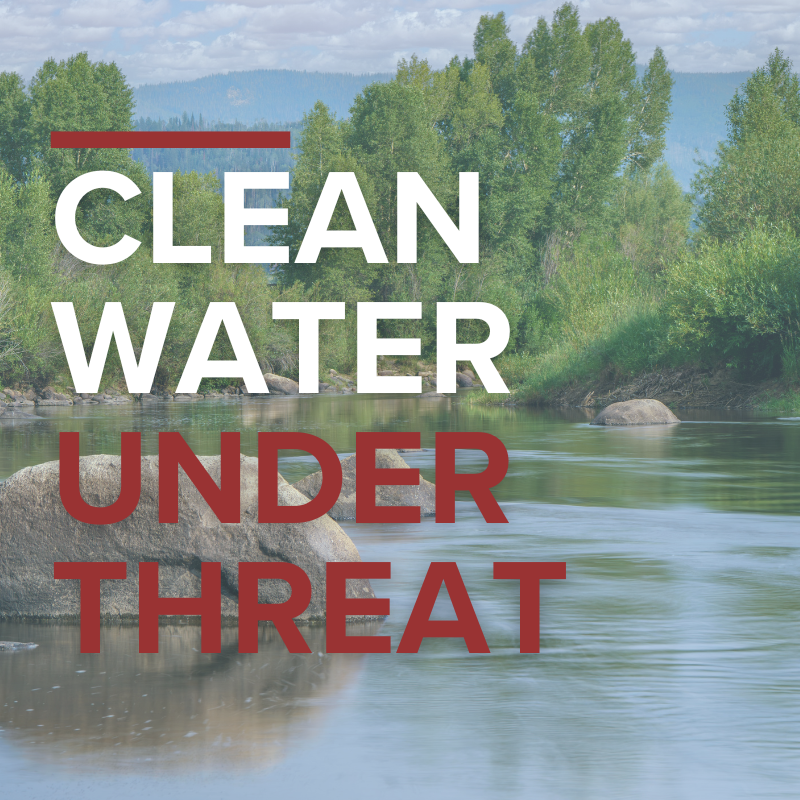
The Clean Water Act is controversial not because of its overarching goal–clean water–but because achieving that goal requires impeding development along waterways and placing limits on industry that discharge pollutants into water bodies. Recent activity seek to narrow protections that impact Tribal waters.
The SAVE Act (H.R. 22 / S. 128) would force Native voters living in rural or remote areas to travel great distances to register to vote.
The SAVE Act would effectively eliminate
In 1971, NARF created the National Indian Law Library (NILL) to serve as a central clearinghouse on Indian law. To this day, NILL offers a unique and valuable service responding
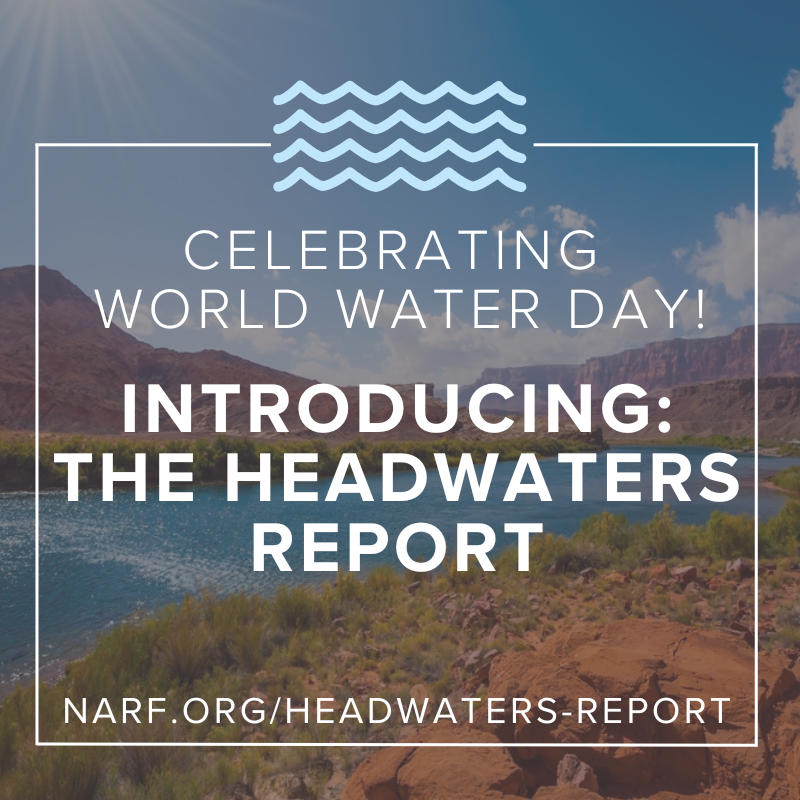
Launching the Headwaters Report to Strengthen Tribal Water Sovereignty
Water is life—Mni Wiconi. On this World Water Day, we recognize the urgent need to protect Tribal
Tribes use the CWA to safeguard water quality for ceremonies, fisheries, and other Tribal needs as an act of governance and sovereignty. This overview covers the Act, its programs, Tribal delegation of authority, and how Tribes can protect reservation waters.
On Friday, March 7, 2025, three Tribal Nations (Pueblo of Isleta, Prairie Band Potawatomi Nation, and Cheyenne Arapaho Tribes) along with Native students (Ella Bowen,
Welcome to The Headwaters Report – a new digital blog site, bulletin, and source for Tribal water law information and resources. Every Tribal Nation should have free access to information necessary to advocate for and protect its water resources. Through The Headwaters Report, NARF intends to provide that to Indian Country.