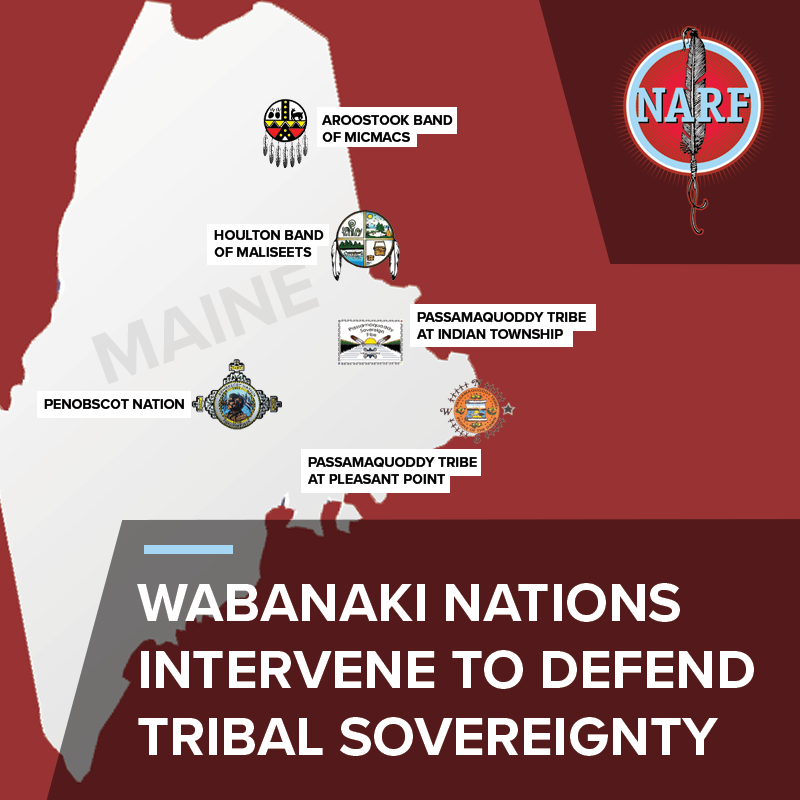
On April 1, 2026, the four Wabanaki Nations — the Houlton Band of Maliseet Indians, the Mi’kmaq Nation, the Passamaquoddy Tribe, and the Penobscot Nation — represented
Tribal sovereignty has always existed, long before the United States was formed, and Tribal Nations continue to govern their own lands and citizens today. Yet recent legal debates about birthright citizenship have raised questions that overlook this fundamental reality.
As we celebrate National Library Week, we recognize the vital role libraries play in expanding access to knowledge, empowering communities, and preserving culture.
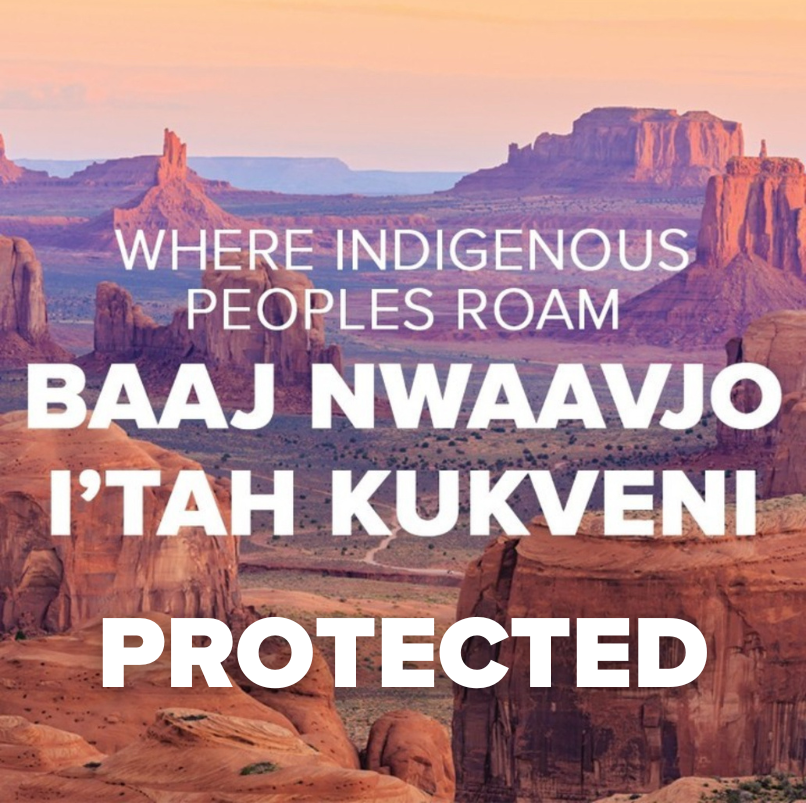
The Havasupai Tribe, the Hopi Tribe, and the Navajo Nation defended their request to intervene in a lawsuit attacking their role as co-managers of the new Baaj Nwaavjo I’tah Kukveni – Ancestral Footprints of the Grand Canyon National Monument, and challenging the laws that allow U.S. President Biden...
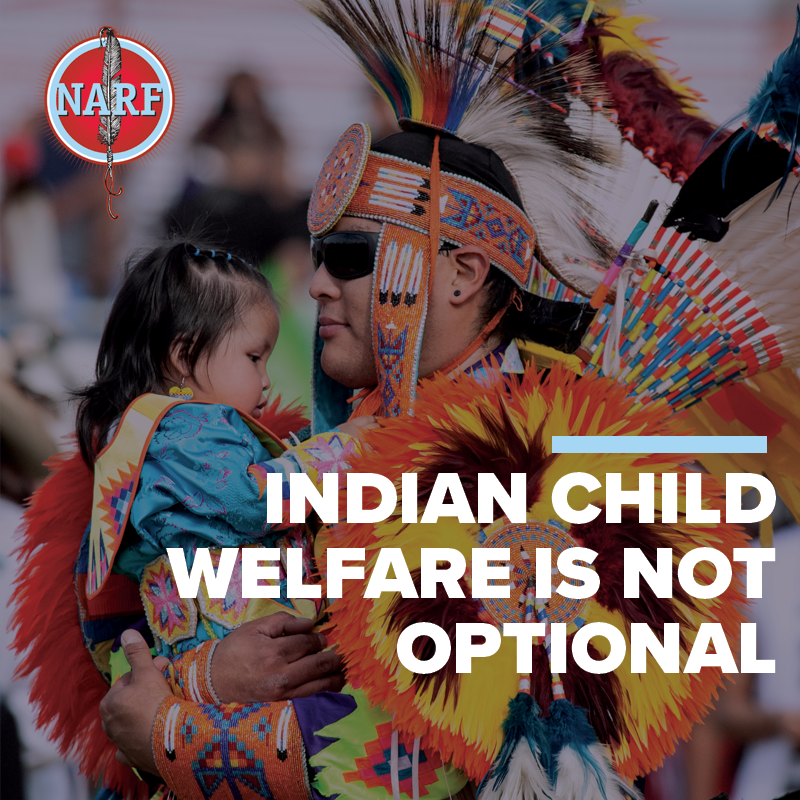
Six Tribal Nations in Arizona filed a brief explaining, “This case presents a critical opportunity for the court to reaffirm that ICWA’s placement preferences are not suggestions — they are essential protections rooted in both federal law and decades of child-welfare research. "
In celebration of World Water Day 2026, NARF Staff Attorney Daniel Cordalis shares recent water work, including case work highlights, the Tribal Water Institute story, and key issues we are tracking for Tribal Nations this year. NARF is privileged to be supporting Tribal Nations in their pursuit to protect and assert their water rights.
The Implementation Project is a joint initiative of the Native American Rights Fund and Colorado Law to advance education and advocacy regarding the United Nations Declaration
The SAVE Act (H.R. 22 / S. 128) and SAVE America Act (S. 1383) would force Native voters living in rural or remote areas to travel great distances to register to vote. They
Barriers to registration can change who is able to vote — and that can change who wins. When eligible voters are blocked from registering, entire communities lose their
This week, the Michigan Supreme Court will hear a challenge brought by Tribal Nations located in Michigan and environmental advocates who argue that the Michigan Public